• Skip to primary navigation
  • Skip to main content
  • Skip to footer
Menu
  • Book a Space
  • Book a Tour
  • Locations
  • Memberships
    • Private Offices
    • Day Passes
    • Conference Rooms
    • Dedicated Desk
    • Coworking
  • Meeting Rooms
    • Austin
    • New York
    • Philadelphia
  • Student Login
  • Book a Tour
  • Book a Space
  • Book a Tour
  • Locations
  • Memberships
    • Private Offices
    • Day Passes
    • Conference Rooms
    • Dedicated Desk
    • Coworking
  • Meeting Rooms
    • Austin
    • New York
    • Philadelphia
  • Student Login
  • Book a Tour
  • Book a Space
  • Book a Tour

admin

10 Ways Technology In The Workplace Is Transforming Business

Computer monitors on a desk

By Bond Collective Staff

Technology in the workplace is making it easier for fewer people to accomplish more in less time than ever. Gone — or on their way out — are the days of hardcopy, rows and rows of filing cabinets, actual in-person meetings, and all the expenses that went with these things.

In this article, the experts at Bond Collective discuss how technology in the workplace has simplified and streamlined all of the operational and communication issues that once held businesses back. 

How Technology In The Workplace Is Transforming Business

Woman using technology in the workplace while touching a screen

1) Location

Just a few short years ago, the vast majority of businesses maintained an actual, physical location of their own. Technology has changed all that. 

Now, businesses can hire digital nomads, freelancers, and telecommuters who never report to a central office. 

And business owners, entrepreneurs, and startups can drastically cut costs by eliminating the expensive long-term lease and basing their businesses in a coworking space or office-sharing environment.

2) Storage

Technology in the workplace — more specifically, the cloud — has made obsolete your business’s need for hardcopy, the rows and rows of filing cabinets to hold said paper, and the massive spaces to keep those filing cabinets organized.

Not only does the move to digital data storage save space, but it also saves time. By storing your information in the cloud, you make it possible for your employees to access documents — and even specialized apps — anywhere, anytime.

Your team doesn’t need the hardcopy and computers at your central location to do their job. Everything is online in the cloud.

3) Teamwork

Teamwork was once about working together efficiently in person (i.e., two or more people together physically in the same space). Technology in the workplace has expanded that definition.

Now, teams can be spread over wide geographic distances and still work together. This is all thanks to apps that make file-sharing and real-time interaction possible.

Collaboration between two people no longer depends on meeting face-to-face and being close enough to shake hands.

4) Communication

As business technology evolves, so too does the speed and agility with which we communicate.

The telephone and fax machine reduced lag time to almost zero, but now we can transmit data — voice, words, and images — around the world instantly right from our devices. Communication of this sort means that you can work from anywhere and still keep in touch with your team.

5) Organization

Inside of a computer

Keeping everything organized is a full-time job, but new technology in the workplace simplifies and streamlines this task significantly.

Project management software, in particular, drastically improves the way your team approaches a project. And when you keep your projects — big or small — organized and on track, the quality and quantity of the work you do will improve as well.

6) Productivity

Productivity is a significant variable in the equation that leads your business to success.

New technologies improve the productivity and performance of your team, enabling them to do things faster and with more precision than was possible even just a few years ago.

Increased productivity across the board means that you’ll be able to overcome challenges, execute strategy, track progress, and meet deadlines more predictably and regularly.

7) Security

Security at the office used to be about the locks on your doors and filing cabinets. But as technology in the workplace has evolved, security has changed along with it.

Now, security involves fingerprints, facial recognition, and complicated computer algorithms that keep malicious digital thieves at bay and ensure that only your team members can access your vital data.

8) Profitability

Yes, technology is more expensive at first than past business solutions. But that same technology is also more cost-effective in the long run.

For example, software as a service (SaaS) allows you to scale the apps you use in your business to fit your needs more precisely.

The scalability of software means that you no longer have to pay for an expensive suite of tools just to get one integral feature. It also means that the software itself will improve the profitability of your business. 

Your team can automate regular tasks and integrate more easily across all areas of your business.

9) Customization

Modern technology in the workplace is also much more customizable than solutions of the past.

Whether it’s project management software, facilities management software, or something else entirely, your ability to tailor technology to the unique way you do business means that the other items on this list will be that much easier to achieve.

10) Efficiency

In section number six above, we talked about how productivity is a major variable in the success of your business. But what are the major variables that make up productivity? 

One is efficiency. Improve the efficiency of your team and you improve its productivity as well. Technology certainly helps in that regard.

Time management software, in particular, is a very effective way to boost the efficiency of your team and your business. With all the time you and your employees save, you’ll be able to focus on creating and developing the new ideas that will really move your business forward.

4 Technologies To Watch

Man using technology in the workplace with virtual reality eye wear

1) Secure Group Messaging Systems

Advanced communication technology that integrates voice, video, text, and data in one secure platform can keep your team connected, efficient, and productive regardless of where they live and work.

2) Virtual Reality

Virtual reality (VR) is set to revolutionize many industries as business owners find new ways to use this technology in the workplace.

Teams will be able to meet, interact, and exchange information in a virtual world that will make creativity and the advancement of ideas so much simpler.

The manufacturing industry is already harnessing the power of VR to refine and perfect the way they do business and develop their products. Other industries will soon follow their lead.

3) Smart Virtual Assistant Apps

Everyone can benefit from smart virtual assistant apps, not just executives and those at the top of the managerial chain.

Virtual assistant apps with on-board artificial intelligence can help organize schedules, anticipate daily needs, automate regular tasks, and take your efficiency and productivity to new levels.

4) The Cloud

The cloud as a business solution is less than a decade old. But as more and more businesses discover the value of this technology in the workplace, the cloud will continue to evolve and grow to provide even more solutions than it currently does.

Take Your Business To The Next Level With Technology And Bond Collective

Open office workspace with several black chairs at a long table

Technology and Bond Collective go hand in hand. The mobile nature of business computing makes working from anywhere at any time a very real possibility.

So while you could work from home or in your local coffee shop, you’re more likely to be successful in an environment that facilitates and promotes the 10 items on this list. Bond Collective is that place.

Whether you choose a private office (or suite of offices), a dedicated desk, or a flexible coworking option, our infrastructure (including lightning-fast WiFi and ethernet, free black-and-white printing, and on-site IT support) will transform the way you work.

Orange sofas in a lounge area

In addition to the specially curated, professional decor at every Bond Collective location, you’ll also enjoy industry-leading amenities, such as:

  • Guest reception and greeting

  • Private meeting and phone booths

  • Conference rooms for 2 or 20+

  • Custom build-outs

  • Mail and package handling

  • Daily porter service

  • Nightly office cleaning

  • Showers with towel service

  • Fresh fruit, snacks, and weekly breakfast

  • Complimentary spa water, craft beer, and coffee

  • Mother’s room

  • Secure bike storage

  • Curated networking events

  • Exclusive discounts and national partnerships

  • Pet-friendly locations and common areas

  • 24-hour access to location across the country

  • Streamlined billing and booking portal

  • And so much more…

Brown leather sofa and velvet chairs in a coworking space

If you’re looking for a spacious, well-appointed collaborative workspace to boost your productivity and transform your business for the better, take advantage of any one of our many Bond Collective locations in the United States, including New York, Pennsylvania, Washington D.C., Illinois, Tennessee, and Texas.

Call us today to find out more about everything we have to offer. And while you’re at it, schedule a tour to experience first-hand how the boutique work environments at Bond Collective can benefit your business.


Market Research For Startups: The Ultimate Guide For Entrepreneurs

Computer screen with graph of market Research For Startups

By Bond Collective Staff

It’s an unfortunate fact of the times in which we live that most new businesses fail in less than two years. Only companies with a laser focus survive. How can you achieve that laser focus? Through market research for startups.

Market research helps you plan for the future of your business. And when you have a plan, it’s much easier to gain insight into the entrepreneurial process and jump-start your nascent business, which leads to success.

In this article, we’ll tell you — the intrepid entrepreneur — everything you need to know about market research for startups.

What Is Market Research For Startups?

Papers containing Market Research For Startups

Market research is the process of gathering and analyzing data to provide insight into how your potential customers will react to your product or service.

It’s critical that you don’t confuse market research with “marketing research.” The former deals with markets — the demand for a particular commodity or service — while the latter deals with marketing — the appearance, presentation, and advertising of your business.

It’s also essential to understand the four types of market research for startups and what they mean for your particular company.

Primary Research

Primary market research is that which you conduct yourself or hire a third party to perform. This is in contrast to the last type of information on this list — secondary research — that you derive from someone else’s efforts.

Primary research answers the big questions, such as:

  • Who are my customers?

  • How can I reach them?

  • What products do they need?

  • What influences their buying decisions?

  • What would they pay for my product?

  • Who are my competitors?

  • How do they operate?

  • What are their strengths and weaknesses?

Running this type of primary research for your startup will help you get an intimate picture of the niche in which you are competing.

Quantitative Research

Quantitative market research is the process of collecting numerical data that you can then use in a statistical analysis. The results of such a statistical analysis give you a more accurate picture of the trends and pressures that affect your industry.

Qualitative Research

Qualitative market research is the process of collecting information about your target market’s reason for action (buying habits), their opinions, their wants, and their needs. Ultimately, it helps you understand why they purchase a particular product or service.

Secondary Research

Secondary market research for startups involves using pre-existing reports, studies, information, and data to gain valuable understanding about questions that you cannot address through primary research.

Though secondary research is not necessarily targeted to your specific industry, it can give you a general idea of how the markets for your startup affect your bottom line.

Good sources of secondary research include:

  • Media

  • Labor unions

  • Government agencies

  • Industry associations

  • Trade organizations

  • Chambers of commerce

You can even use primary research done by a third-party firm for another business as a type of secondary research for your startup.

Why Do Startups Need Market Research?

Man conducting Market Research on a laptop

Compiling and examining market research is like using a road map to get from one destination to another on a long car trip. The map shows you which direction to travel, what roads to use, and how long the journey will take.

Without the road map — the market research for your business — it’s all too easy to get turned around, lost in the wilderness, and heading in the wrong direction.

For a car trip, that might not be a catastrophic mistake. But for a new business startup, it can mean the difference between success and failure.

When Should You Initiate Market Research?

Business professional conducting market research on an iPaid for his startup

Though market research can be conducted at any time, for startups, it’s imperative to gather quantitative information in the early stages of your business. Doing so will give you hard data that can help you highlight target-market interest and attract investors and startup funding.

Once your business is up and running, you can go back and initiate another round of primary or quantitative research.

At that point in the life of your startup, it’s also useful to begin gathering qualitative information that will help you understand your customers’ unbiased reactions to — and opinions about — your product or service.

How Should You Conduct Market Research?

Computer screen with numbers and stats

1) Begin With Primary Research

A “SWOT” analysis is a good way to start your primary market research for startups.

SWOT stands for:

  • Strengths

  • Weaknesses

  • Opportunities

  • Threats

The internet is a great place to conduct primary research. Google, Quora, Reddit, and many others are powerful tools that can reveal a wealth of information about your niche market.

Armed with your SWOT analysis and the internet, you can identify the competitors in your space, how they’re doing, what they’re doing differently, and where you have a competitive advantage.

2) Gather Quantitative Data

Quantitative market research is best done through standardized questions so you can compare and contrast trends in the data more easily.

You can distribute these standardized questions in many different ways, including:

  • Email

  • Mail

  • Face-to-face

  • On your website

  • Social media

  • Telephone

When you do conduct quantitative research, you can improve your response rate by:

  1. Keeping it short and simple

  2. Making your “survey” easy to read

  3. Ensuring your response scales are logical

  4. Offering an incentive for completing the survey

  5. Moving from general questions to specific questions

Whatever method you choose for gathering quantitative data, be patient and allow plenty of time for the information to get back to you.

3) Collect Qualitative Data

The best way to collect qualitative data is to organize a focus group, an in-depth interview, or an observation.

A focus group is useful for brainstorming and obtaining information on product ideas, preferences, and purchasing for a specific subset of the population.

An in-depth interview is good for encouraging participants to address topics of interest to your business with minimal questioning.

An observation involves watching a live or recorded interaction between a member of your target market and your product.

Each of these methods of data collection has its advantages and drawbacks. If possible, you might consider conducting all three to gain the most benefits.

4) Examine Secondary Sources

Whether you’re finished with your primary, quantitative, and qualitative research or not, you can always begin examining secondary sources right away.

Check public sources, such as government agencies, universities, and libraries. Very often, you can access this information for free or at a reduced cost.

You can also make use of commercial sources, like trade associations, financial institutions, and even local newspapers, magazines, and other media outlets. You may have to pay a bit more for this information, but the expense can be well worth it for the insight this data provides.

Where Is The Best Place To Conduct Market Research?

Lounge area at a Bond Collective coworking space

We’ve discussed the what, why, when, and how of market research for startups. Now it’s time to discuss the where.

In theory, you could conduct research anywhere — in your living room or at the local cafe, for example. You could even secure your own dedicated, leased space. But you’d be missing out on a huge piece of the equation (not to mention hemorrhaging valuable capital if you opted for the latter option).

Instead, make the best choice for your fledgling business and conduct your market research from a coworking space like Bond Collective.

Coworking space with table and chairs as well as two accent chairs

Securing startup office space at any one of Bond Collective’s many locations across the country is incredibly affordable when compared to purchasing your own leased space. It also provides a comfortable, professional work environment for all your market research and business activities.

You can even enhance your data-gathering efforts by including other entrepreneurs, digital nomads, and solopreneurs in your primary, quantitative, qualitative, and secondary market research.

Plus, Bond Collective offers amenities that you can’t find anywhere else in the industry, such as:

  • Lightning-fast internet

  • 24-hour access

  • Custom build-outs

  • Private label mail service

  • Daily on-site cleaning

  • Bike storage

  • Concession food market

  • Guest reception and greeting

  • And so much more…

With all those benefits, it’s easy to see how Bond Collective’s coworking spaces are the best place to conduct and gather market research for startups.

Conference room with long black table and colorful chairs

Visit any one of Bond Collective’s many locations in the United States, including:

  • Flatiron, New York

  • Gowanus, New York

  • Bushwick, New York

  • Greenpoint, New York

  • 60 Broad, New York

  • 55 Broadway, New York

  • SoHo, New York (Spring 2020)

  • Center City, Philadelphia

  • H Street, Washington D.C. (Winter 2020)

  • Fulton Market, Chicago (Winter 2019)

  • West Loop, Chicago (Winter 2019)

  • East Nashville, Tennessee (Fall 2020)

  • Houston, Texas (Winter 2020)

  • East Austin, Texas (Fall 2019)

Or call us today to find out more about everything we have to offer. And while you’re at it, schedule a tour to experience first-hand how the boutique work environments at Bond Collective can benefit your business.

Pros And Cons Of Working From Home | The Complete Guide For Success

Man enjoying the pros of working from home with his laptop on the sofa

By Bond Collective Staff

Many of the pros and cons of working from home vary based on your likes, dislikes, work style, and personality. Before you make the move from a traditional office to a home-based office, it’s vital to examine yourself, how you work, and the advantages and disadvantages of telecommuting.

In this article, we’ll reveal the most common pros and cons of working from home to help you decide if remote work is right for you.

Pros Of Working From Home

woman working on laptop from home office

1) No Commute

If you’re fortunate enough to live within a few minutes of your office, you’re definitely in the minority. The average commute time is around 30 minutes, but in more populated areas, that commute can stretch to two hours or more through bumper-to-bumper traffic.

But for those who work from home, the commute can be as short as 10 seconds (the walk from the breakfast table to the computer desk). That’s a huge reduction in stress.

2) Decrease In Overhead

Reporting to a traditional office every day is more expensive than you might think. You have to pay for:

  • Professional attire

  • Gas and repairs for your vehicle

  • Public transportation

  • Meals out

  • Coffee

When you work from home, those expenses all but disappear.

You might still splurge on a coffee or a meal out now and again, but it’s not an every-day event. And one or two professional outfits are enough when you can work in your sweats all day. Plus, the transportation costs drop to zero, and that tank of gas will last two weeks instead of two days.

3) Saved Time

Time is one of our most valuable resources. And too often, we waste a significant amount of it on unproductive activities (like commuting or getting ready to go to work in the morning).

Working from home eliminates those delays and allows you to be more productive with your limited time. Instead of spending two hours in the morning getting dressed and commuting to work, you could spend those same two hours exercising and eating a healthy breakfast.

4) Flexible Work Hours

woman working on laptop from terrace

One of the many pros of working from home is the flexible work hours. Because you set your own schedule, you can work when you feel the most productive. For some, that may be early in the morning. For others, it may be the usual 9-to-5.

For yet others, the ideal working hours may be late at night. In most cases — though it will depend on your specific industry or career — as long as you get the work done on time, it doesn’t matter when you do it.

Those same flexible work hours also allow you more room for personal appointments and activities. Now you can take that doctor’s appointment at 10 a.m. or pick your kids up at school instead of arranging for a ride.

5) More Time With Family

Working from home frees up time you can spend with your family and friends.

You won’t have to contend with a long commute that saps your energy. You can work in the morning and play with the kids in the afternoon. You can attend school events that you would otherwise miss because you were at work.

6) Autonomy

When you work in a traditional office, your manager or immediate supervisor makes many of the decisions for you (e.g., structure, routine, procedures, priorities). But when you work at home, you have more autonomy to make your own decisions regarding certain aspects of your job.

7) Work/Life Balance

Many individuals who work from home enjoy a better work/life balance. They find that they have more time for:

  • Themselves

  • Their family

  • Important personal activities

When you work in a traditional office, you often forego these important personal activities because you spend a large portion of your day at work (or commuting to and from the office).

An increase in work/life balance can mean the difference between job satisfaction and job dissatisfaction — and, ultimately, a happy life and an unhappy life.

Cons Of Working From Home

woman working in large open room with white walls

1) Self-Discipline

Of the many pros and cons of working from home, the self-discipline required to be successful at remote work is a significant hurdle to overcome.

Not everyone can maintain the focus necessary to produce quality work outside of an office environment. The temptation to sleep in, take the day off, or just surf the internet is too great to overcome.

2) No Human Interaction

If you enjoy the social aspect of working in a traditional office, working from home may not be for you.

Unless you have kids, a spouse, or roommates who are at home during the day, you’re going to spend a large chunk of your time alone. This lack of human interaction can be difficult for some and may affect their productivity and success.

3) Burnout

Keeping your work life and personal life separate is a real challenge when you work from home. You may find it difficult to switch off the work part of your brain when you’re finished for the day.

Your whole life begins to revolve around work, and you may start subconsciously dedicating more and more of your free time to getting that one last thing done. Do that too much and your productivity will suffer, eventually leading to burnout.

4) Distractions

Group of people on computers researching the pros and cons of working from home

Yes, working in a traditional office presents several distractions — coworkers moving around, ambient noise, conversations, etc. But working from home introduces a whole new set of distractions.

You may not have the activity of coworkers to tune out, but you must still contend with the potential distractions that come from simply being at home every day.

These include:

  • Doing laundry

  • Cleaning

  • Shopping

  • Watching TV

  • Surfing the internet

  • Napping

  • Yard work

Without strong self-discipline and focus, these distractions can easily get the better of you and cut into your productivity.

5) No Collaboration

For many, collaboration at work is the source of much creativity. Without that collaboration, innovation and ingenuity suffer.

Similarly, if the rest of your team work together in a traditional office and you’re the only one working from home, you can miss out on important information that individuals come up with and talk about at the spur of the moment.

6) Loss Of Living Space

Working at home requires that you carve out some type of office space. At the most basic, you may occupy the kitchen table or a chair that someone else may need to use. On the other end of the spectrum, you may have a desk all to yourself (or even a whole room).

Regardless of whether you work from your kitchen table or a home office, you lose living space in the process. With the kitchen-table setup, you have to move your work materials at the start and end of each day. With the home office, you may be losing out on a guest bedroom or a home gym.

7) Payment Difficulties

One of the most frustrating cons of working from home is difficulty receiving payments.

There are many online tools that make this important activity possible, but it all comes down to the person at the other end of the transaction. If they are late making a payment — or even refuse to do so outright — your bottom line can take a serious hit.

Experience More Pros And Fewer Cons With A Coworking Space

Lounge area in a common working space

A good coworking space can’t reduce your payment difficulties or increase your self-discipline, but it can remedy many of the other items in the Cons Of Working From Home section.

Your office won’t occupy valuable living space in your home or apartment. You’ll get all the collaboration and human interaction you crave. And you can prevent burnout by separating your work life from your home life.

Whether it’s a hot desk (first-come, first-served), a dedicated desk, or a private office, the coworking spaces at Bond Collective provide exactly what you need to “work from home” effectively and successfully.

Shared office space at a Bond Collective location

Plus, you’ll enjoy amenities that you don’t get at home and can’t find anywhere else, such as:

  • Guest reception and greeting

  • Private meeting and phone booths

  • Conference rooms

  • Insanely fast WiFi

  • Black-and-white printing

  • Mail service

  • Complimentary beer, coffee, and tea

  • Daily on-site cleaning

  • Rooftop lounge

  • Mothers’ rooms

  • Bike storage

  • Food and beverage market

  • Complimentary fresh fruit and spa water

  • Office showers

  • Photo and sound studio (Gowanus only)

  • And much more…

Visit our gorgeous office spaces in New York (Bushwick, 55 Broadway, 60 Broad, Gowanus, Flatiron) and Philadelphia (Station House) to experience the best that luxury office environments have to offer.

And to learn more about the advantages of coworking spaces for remote workers, entrepreneurs, “work from home” professionals, startups, and businesses of all kinds, visit BondCollective.com today.

How To Manage A Remote Workforce From Anywhere With Internet Access

Entrepreneurs using mobile devices to remotely manage from coffee shop

By Bond Collective Staff

Gone are the days when all of your team members reported to work at the same time and in the same location. Remote work has become the new norm. Because of that fundamental shift, the ability to remotely manage a diverse workforce is a must-have skill for the 21st-century entrepreneur and executive.

But what does it take to remotely manage a team that you don’t see face-to-face every day? In this article, we’ll tell you everything you need to know to cultivate and grow a productive and successful team from anywhere in the world.

How To Remotely Manage Your Workforce

Man working remotely on a computer

1) Provide The Right Tools

Providing the right tools is essential if you want to remotely manage your workforce with any degree of accuracy and control. Apps like Google Drive, Slack, Trello, Skype, and Google Hangouts (just to name a few) make finding the right tools for your remote workforce easy and affordable.

2) Create Core Values And Standards

Whether your team works together in an office or is spread around the globe in multiple countries, your business should always have a set of core values and standards (a.k.a. an employee handbook).

These guidelines give local and remote workers (often from widely different cultures and backgrounds) a framework on which to base their work and work habits.

3) Standardize The Way Your Team Works

If you want to remotely manage your workforce effectively, standardize the way they work. Take your cue from the elementary school teacher who made it mandatory to write your name, the date, and the subject in the left-hand corner of every worksheet.

For a remote team, standardizing work methods goes well beyond the way your team formats documents to include meeting structure, communication protocols, and even where files are stored and how they are named.

4) Emphasize Clear Communication

Clear communication is essential for any team, whether they’re locally managed or remotely managed.

With a remote workforce, you may be dealing with individuals who don’t speak your language very well. And even with those who do, it’s very easy to misinterpret written and spoken communication when you’re not face to face.

Never simply assume that you understand what is being communicated. Always ask questions if you’re unsure and double-check that the meaning is clear.

5) Allow For Flexibility While Encouraging Consistency

Man working from a remote location

One of the many perks of being part of a remote team is the flexibility it provides. As the individual who remotely manages that workforce, you want to allow for this flexibility but promote consistency at the same time.

Encourage your remote team members to work regular hours so it’s easier to communicate, collaborate, and meet deadlines.

6) Implement An Onboarding Process For New Team Members

Creating an onboarding process for new remote team members helps them get familiar with the company culture, the standards and values, and the tools you use on a daily basis.

Whether your onboarding process consists of documents the new team member needs to read, videos they need to watch, or conference calls and screen sharing (or all four), take the time to guide the new employee through each step so they can get to work without unnecessary delays.

7) Make Expectations And Responsibilities Clear

The best way to remotely manage your workforce is to establish a clear delineation of responsibilities and expectations. Without this transparency, remote employees can encroach on each other’s work and cause unnecessary difficulties and delays.

Make sure that each member of your remote team knows where their responsibilities begin and end and what tasks they should and shouldn’t do.

8) Treat Remote Workers With Respect

Remotely managing a geographically widespread team can be difficult because you don’t see those individuals face-to-face on a daily basis.

Because you don’t interact with remote workers like you do local employees, it’s all too easy to see those remote workers as an expendable resource. But treat your remote team with the respect they deserve and they’ll become a loyal and productive part of your business.

9) Trust Your Remote Team

Trust is crucial for the success of your business whether your team members work locally or in different countries. You can avoid eroding that trust by refraining from micromanaging your remote workforce.

Give them an assignment, turn them loose, and then step back and wait for the finished product.

10) Measure Performance Through Deliverables

Woman working on a laptop outside in a city

With your local workforce, it’s easy to measure performance through how they get along with their coworkers and through their work ethic. But with remote employees, it’s more difficult because those intangibles are less obvious.

Instead, measure the performance of your remote workforce through the deliverables they produce and the deadlines they reach.

11) Meet With Remote Workforce At Least Once Per Week

Meeting with your remote workforce at least once per week is vital if you want to keep your team on track and working efficiently. Consider including the remote team in your weekly office meeting, or arrange for a group chat with only the offsite employees.

It’s also crucial to touch base with your remote team members one-on-one to find out how work is progressing and to provide feedback.

12) Use Collaboration Software

With modern collaboration software — like Google Docs, Google Sheets, and Dropbox — your team can work together in real time on everything from text documents to spreadsheets to presentations.

Regardless of what product or service your remote team provides, the right collaboration software will make their job (and yours) much easier.

13) Avoid Communication Overload

The plethora of communication methods available to remote teams these days can be overwhelming. If you use email, Slack, and Skype to communicate and you’re sending messages several times each day, the distraction can hinder productivity.

Avoid communication overload by restricting your interactions to one regular channel and sending messages only when necessary.

14) Test New Remote Workers Before Hiring

Not everyone has the skills or the temperament to be remotely managed. Instead of hiring a remote team member based on an interview alone, test them first to see how they work by having them complete a sample assignment.

How well do they communicate? Are they able to meet deadlines? What is the quality of their work? How do they interact with other team members?

This initial test assignment can provide significant insight into what you can expect from each remote candidate.

15) Recognize Your Remote Workforce For A Job Well Done

Woman sitting on a bench, remotely managing her business from a laptop

It’s easy to commend your local team when they’re successful — a pat on the back as you pass in the hall or a catered lunch from a local restaurant. It’s much more difficult to recognize your remote workforce for a job well done, but it’s still vitally important.

If you neglect to commend your remote team, they can feel unappreciated and may start looking for a job where their work is valued.

Setting Up a Common Space For Collaboration

Lobby of a Bond Collective coworking environment

The nature of remote work means that your team members can be anywhere at any time. You might have people working all over the world, or you might have people working right across the street. Sometimes, though, a large proportion of your remote workforce may be based in a specific area.

For example, your home office might be based on the west coast of the United States, but you employ a large number of remote team members on the east coast. Of those remote team members based on the east coast, maybe a handful work in one particular geographic region (let’s say New York City).

You can remotely manage this part of your team by setting up a satellite office in a central location (New York City) that everyone can access no matter where they work most of the time.

Sound impossible or too expensive? Bond Collective makes it simple and affordable.

variety of shared office spaces for remote teams

Bond Collective offers a variety of options for local and remote teams, including:

  • Coworking desks

  • Dedicated desks

  • Private offices

  • Conference rooms

  • Production room

  • Recording studio

Add to that Bond Collective’s many amenities, such as:

  • Professional decor

  • Lightning-fast internet

  • 24-hour access

  • Custom build-outs

  • Black-and-white printing

  • Private label mail service

  • Daily on-site cleaning

  • Bike storage

  • Concession food market

  • Guest reception and greeting

  • And much more…

With all of those benefits available at every one of Bond Collective’s seven locations, it’s easy to see how their coworking spaces can draw your remote team together in a cohesive unit and give them the ability to succeed at any problem, task, or project that comes their way.

Man and woman working the desk at a Bond Collective location

Tour Bond Collective’s gorgeous office spaces in New York (Bushwick, 55 Broadway, 60 Broad, Gowanus, Flatiron) and Philadelphia (The Station House) to experience the best that modern office spaces have to offer. Then become a member and give your remote workforce a place to collaborate.

For more resources to help you manage your business or to learn more about the advantages of coworking spaces for digital nomads, remote workers, and businesses of all kinds, visit BondCollective.com today.

The 17 Best Entrepreneur Podcasts To Master Your Business

businessmen recording one of the best entrepreneur podcasts

By Bond Collective Staff

We all want to master our business and improve the way we work — the 17 best entrepreneur podcasts can help. It doesn’t matter if you’re a solopreneur just getting started or a corporate CEO with years under your belt, you can benefit from refining the way you lead, think, and do business.

But the entrepreneurial life doesn’t leave much time for self-improvement. That’s where the power of the podcast comes into play. You can listen to these programs anywhere, anytime to gain insight into all aspects of your business.

Take advantage of the valuable information at your fingertips by downloading and listening to one or all of the best entrepreneur podcasts on this list. For your convenience, we’ve divided these entrepreneur podcasts into four categories based on the main topics they cover.

The Best Entrepreneur Podcasts: Entrepreneurship

1) Eventual Millionaire

Solopreneur listening to entrepreneur podcast on her phone

In the Eventual Millionaire, business coach, author, and professional speaker Jaime Masters interviews millionaires and billionaires (350 so far) to find out their secrets to success.

Along the way, she shares experiences, stories, resources, and advice from some of the biggest names in business today. You’re sure to find all the tools you need to grow your business on the Eventual Millionaire podcast.

2) The $100 MBA

Want real business lessons from real entrepreneurs who are making it in the real world? Check out The $100 MBA podcast. Host Omar Zenhom delivers actionable lessons that will improve the way you work.

Zenhom prides himself on his “no fluff” episodes that are packed with pure business-building insights. No back stories or promotions, just solid business advice from leaders in their fields.

3) How I Built This

How I Built This is all about the real-life stories of successful people — how they arrived, what they went through, and how they overcame the challenges they faced.

How I Built This was featured in iTunes’ Top 12 Podcasts of 2016 and continues to offer insight on the subjects of project management, leadership, and team building (just to name a few) for entrepreneurs and long-time business professionals.

4) The BizChix

On The BizChix podcast, host Natalie Eckdahl interviews industry influencers and entrepreneurs to help you grow your business and improve the way you work.

With topics like “What Are You Tolerating In Your Business?” and “How To Summer-Proof Your Business,” there’s something for everyone on The BizChix podcast.

The Best Entrepreneur Podcasts: Leadership & Team Building

5) All In: Elevating Your Leadership Game

laptop, earbuds, pens, and notepad on a white surface

All In: Elevating Your Leadership Game features interviews with leaders in business and global affairs. Host Alicia Dunams discusses what it takes to elevate your leadership game in today’s modern world and how you can produce big results in your business and your life.

6) Inside LaunchStreet

Inside LaunchStreet interviews top innovators and leaders so you don’t have to. Armed with the information from this podcast, you can innovate, lead, and guide your business to success.

Host Tamara Kleinberg digs deep into her guests’ experiences in life, in business, and in managing teams of all sizes. You’re sure to get plenty of ideas and strategies for improvement from the Inside LaunchStreet podcast.

7) Leaders In The Trenches

Leaders In The Trenches is conversations with leaders, for leaders. Host Gene Hammett touches on topics such as growth, culture, leadership, sales, and marketing so that you can develop authority and influence in all you do.

Listeners and guests alike appreciate Mr. Hammett’s quest for real advice on becoming a better leader. It doesn’t matter what his guests say, Mr. Hammet will poke and prod until he gets to the truth of the matter. That makes it easy for his listeners to learn and improve.

8) The Discovery Expert

Whether your team is halfway there — or nowhere near — the host of The Discovery Expert, Peter Anderton, can get you exactly where you need to be. He’ll help you create levels of alignment in your team you never thought possible.

Anderton’s outstanding writing and advice will enable you to achieve just about anything.

The Best Entrepreneur Podcasts: Productivity

9) Getting Things Done

man listening to the best entrepreneur podcasts on a bus

In David Allen’s Getting Things Done podcast, you’ll hear interviews with people from all walks of life — from beginners to those who have been at it for years. You’ll learn about their journey and hear personal and professional stories about business, productivity, and life in general.

10) ProdPod

The ProdPod tagline is, “Personal productivity in two minutes or less.” That perfectly sums up the power of this straight-to-the-point entrepreneur podcast.

If your schedule is packed — and what entrepreneur’s isn’t — ProdPod may be just the solution you’re looking for. With topics such as the power of minimalism, resiliency, overcoming distractions, procrastination, and burnout, there’s something for everyone in this entrepreneur podcast.

11) The 5 AM Miracle

The 5 AM Miracle is dedicated to dominating your day before breakfast. Host Jeff Sanders shows you how to bounce out of bed with enthusiasm, conquer your loftiest ambitions, and create powerful lifelong habits.

If you’re looking for ways to be more productive, organize your life, and feel more in control, The 5 AM Miracle is the place to start.

12) Innovation Ecosystem

Innovation starts with an open mind. An open mind needs content. That’s where Innovation Ecosystem comes in.

You’ll gain actionable insights from their extensive library of compelling interviews with thought and business leaders from around the world. Whether it’s customer service or ethics in the workplace, Innovation Ecosystem has the advice you need.

13) The Tim Ferriss Show

On The Tim Ferriss Show, host Tim Ferriss discusses productivity, leadership, personal achievement, motivation, and business from truly novel perspectives. He provides insights through chess strategy, politics, interviews with sports men and women, and discussions with top business people from around the world.

For real out-of-the-box business, productivity, and leadership thinking, check out The Tim Ferriss Show today.

The Best Entrepreneur Podcasts: Business

14) Manager Tools Podcast

digital nomad selecting from the best entrepreneur podcasts on his phone

There’s a Manager Tools podcast for dealing with every business situation you might experience. Whether it’s a big deal (like setting up a satellite location) or an easy fix (like creating a business strategy), they’ll give you detailed directions on how to proceed.

From hiring the best employees to managing your admin to performance reviews and startup funding, there’s a Manager Tools podcast for that.

15) How To Start A Startup

If you’re looking for a resource that takes the place of higher or continuing education, try the How To Start A Startup entrepreneur podcast.

Some of the top names in business — Sam Altman, Dustin Moskovitz, Paul Graham, Adora Cheung — deliver lectures or slide presentations at some of the top universities in the country. How To Start A Startup collects them all together in one place for your edification.

16) Mixergy

Who doesn’t want to learn from the most successful entrepreneurs and business leaders working today? Mixergy with Andrew Warner gives you that opportunity.

Mixergy digs deep into success and failure with a straightforward interview style that provides plenty of “Ah-Ha!” moments.

17) Outside In

Outside In with Charles Trevail takes a look at the strategies and philosophies of the world’s most customer-centric brands. Leaders from business, media, and academia discuss how consumers are changing and share best practices on how to create a customer-inspired organization.

If you’ve ever wondered how top brands do it, Outside In pulls back the curtain to reveal the strategies, rationale, and experiences of the leaders at the top.

Get Started Today

Entrepreneur podcast playing near cup of coffee on wooden table

It’s easy to look at the 17 best entrepreneur podcasts on this list and think, “Where do I even begin?” Don’t feel overwhelmed. There are so many excellent educational entrepreneur podcasts out there that will improve the way you work and live; you just need to pick one.

The most important step (and often the most difficult) is just getting started. But it can be as simple as carving out a few minutes every day to listen to what one or two of the podcasts on this list have to offer.

If you’re not sure when you can squeeze one in, here are some easy options:

  • Before you get out of bed in the morning

  • During breakfast

  • On your commute to and from work

  • First thing after arriving at your office

  • During lunch

  • On a break

  • Right before the end of your workday

  • Lying in bed at night

Once you start, you’ll be surprised how easy it is to find a little extra time in your schedule for one (or all) of these informative entrepreneur podcasts.

For more resources to help you manage your business or to learn more about the advantages of coworking spaces for entrepreneurs, digital nomads, and businesses of all sizes, visit BondCollective.com today.

Everything You Need To Know Before You Start Working For Yourself

man and woman discussing working for yourself

By Bond Collective Staff

If you’re considering making the leap from the corporate 9-to-5 to working for yourself, go for it. With the right mindset, a bit of preparation, and your eyes wide open to the realities of the business world, there are few things better than becoming a freelancer, digital nomad, or entrepreneur.

In this article, we’ll tell you everything you need to know before you start working for yourself so you’re ready for the change ahead.

15 Tips And Things To Know Before Working For Yourself

1) A Business Is Different Than A Job

Man packing up a box

A business is a form of employment that you can step away from for a few hours, a few days, or even a few months and it will still run and make money. A job is a form of employment that won’t run nor make money if you step away for a few hours or days.

The distinction may seem subtle at first — it’s the difference between a freelancer working alone and an entrepreneur building a team — but it makes a substantial impact on the way you work five, 10, or 15 years down the road.

2) Manners Still Play A Crucial Role

A significant part of business in the 21st century is presentation. When working for yourself, you are the face of the company.

That’s why it’s crucial that you’re always on your best behavior. Say please and thank you. Dress and act the way you want others to perceive you. And always be polite…even when others aren’t.

3) Higher Education Isn’t A Guarantee For Success

Too many people put too much stock in the myth that graduating from a big-name college or university is the be-all and end-all of the business world.

When working for yourself, it doesn’t matter if you attended an Ivy League school, a local community college, or no school at all. What really matters is your willingness to learn and your commitment to work hard.

4) Communication Skills Matter

Communication — be it in-person, on the printed page, or over the internet — is a huge part of any business. And in communication (regardless of form or function), grammar, spelling, syntax, and those other basics you learned in high-school English do matter a great deal.

But don’t be discouraged if you can’t speak a sentence without injecting “like” after every other word, or if you can’t tell the difference between “your” and “you’re.” Put in the effort to learn and practice, and the way you speak and write will improve.

5) It Takes Time To Build A Business

Hourglass situated on stones

Businesses don’t just pop up overnight, no matter how much experience you have. It takes time to build a successful business from the ground up — sometimes years or even decades. Set your view on the long game going in, and you’ll be prepared for the task ahead.

6) Focus On The Big Picture Without Neglecting The Details

Too often when working for yourself, it’s easy to focus on the big picture (growing your business) but neglect the small details that make it possible.

Think of the details — like where you want your team to work, your brand, your professional image, and the quality of your product or service — as the foundation on which you will build your business as a whole (the big picture).

7) Networking Is Vital

Isolation makes working for yourself much more difficult. Networking keeps you in touch with other like-minded entrepreneurs and can even generate business for your startup.

If you’re just starting out, consider basing your daily activities at a coworking space like Bond Collective. There you’ll be surrounded by other go-getters — many of them working for themselves — who will be only too happy to share ideas and inspire you along the way.

8) Put On A Happy Face

As the sole representative of your business, you want to be as approachable as possible. Whether you’re IMing, emailing, Skyping, talking on the phone, or meeting in person, put on a happy face so that clients, investors, and potential team members see you as a confident, agreeable person.

9) Set Your Work Hours And Stick To Them

One of the hardest things to do when working for yourself is to set your work hours and stick to them. If you fail at either aspect (setting work hours OR sticking to them), you’ll find yourself overworked, disengaged, unproductive. That’s no way to run a business.

10) Clean Up Your Social Media Footprint

Cell phone and laptop on a glass table

Investors and clients are looking for serious professionals to work with. And, without a doubt, one of the first things they’ll do is search your name to see what social media reveals.

If most of your tweets are laden with profanity and your Facebook wall contains more than one or two pictures of you doing shots, it’s time to clean up your image.

11) Be Prepared To Do It All

As the sole entrepreneur in your new “working for yourself” endeavor, you’re going to wear many hats. Be warned. You — and you alone — are now responsible for bookkeeping, taxes, marketing, research, customer service, and everything else necessary to keep your business running smoothly.

12) Weigh The Risks And Rewards First

Not every startup is successful. Some businesses don’t last a year. But when they are and when they do, the rewards can be significant.

Can you, your bank account, and your family handle the risks without the rewards? If not, you may be better off holding on to your day job.

13) Avoid Taking On Too Much Work

When you first start working for yourself, it’s highly unlikely that you’ll take on too much work. But, over time, it becomes a very real possibility.

If you can’t seem to get enough done within the work hours you set for yourself, it might be time to reevaluate your workload. If you don’t, the quality of your work will suffer, clients will notice, and your business will suffer.

14) It’s OK To Charge What You’re Worth

Though you may at first have to charge less than you’re worth just to get things going, don’t wait too long to increase your rates.

One entrepreneur started his writing business by proofreading for pennies on the dollar. He did great work, got rave reviews, and continued raising his rates until he was making significantly more than he ever had before.

15) The Grass Isn’t Always Greener Where You Came From

Busy highway leading into and out of city

When working for yourself is going great, it’s easy to revel in all the benefits you enjoy. But when your business takes a turn for the worse and the going gets tough, it’s even easier to look back on your old job with nostalgia. Maybe you should abandon it all and return to the security of a steady paycheck.

When doubt strikes, remember that the grass isn’t always greener where you came from. If you were back in your regular 9-to-5 job (tied to a desk for eight hours a day sandwiched between a grueling commute), you’d probably be imagining where you are right now (working for yourself) and thinking how great that would be.

If you find yourself contemplating the path behind you, remind yourself of all the benefits you’re enjoying working for yourself and why you went this direction in the first place.

Work Environment Plays A Critical Role In Success

Entrance to coworking building

When you first start working for yourself, a laptop and the kitchen table are all you need. Eventually, though, you’re going to outgrow that space. But a new freelancer, digital nomad, or entrepreneur likely can’t afford a conventional business lease.

The next best step in working for yourself is moving from the kitchen table to a coworking space like Bond Collective. At Bond Collective, you can take advantage of hot desks, dedicated desks, private offices, and conference rooms to suit all your business needs. All with amazing amenities, such as:

  • 24-hour access

  • Insanely fast WiFi

  • Daily on-site cleaning

  • Private label mail service

  • Concession food market

  • Guest reception & greeting

  • Black-and-white printing

  • Rooftop lounge

  • Photo & sound studio (Gowanus only)

  • Private meeting and phone booths

Professionals working at a shared office space

Best of all, Bond Collective grows with your business. You can expand or contract your workspace footprint as the needs of your startup dictate. That’s smart business sense whether you’re a team of one or 100.

Visit our gorgeous office spaces in New York (Bushwick, 55 Broadway, 60 Broad, Gowanus, Flatiron) and Philadelphia (Station House) to experience the best that luxury office environments have to offer. And to learn more about the advantages of coworking spaces for digital nomads, remote workers, and businesses of all kinds, visit BondCollective.com today.

Convertible Debt For Startups: The Complete Guide

man reading newspaper article about convertible debt

By Bond Collective Staff

As an entrepreneur in the early stages of building a startup, you may think your only option for raising large amounts of capital is to go into debt. But there is another option. If bank loans and credit cards don’t fit within your business model, consider offering convertible debt instead.

The experts at Bond Collective have created this complete guide to convertible debt for startups to answer your most pressing questions about this unique fundraising option.

What Is Convertible Debt?

convertible debt cash from investors

Convertible debt (sometimes called a convertible note) is an investment option used by early-stage investors, like venture capitalists and angel investors, to provide funds to a startup while delaying the valuation of said startup until a later date.

Because convertible debt typically comes before your startup’s first round of stock offering (the series A funding round), investors aptly refer to it as a seed investment. At its most basic, convertible debt is a loan — an investor gives your startup money to build the business.

But unlike bank loans and credit cards, you don’t pay back the loan with more money. Instead, when the time comes — during a later round of funding — you will convert the original amount of the loan into equity (stock) in your new company.

The unique feature of this type of funding — and one that makes it extremely desirable to early investors — is that it compensates the VC or angel for taking on risk by leveraging two essential components: a discount and a cap.

The Essential Components Of Convertible Debt

Pair of black glasses on top of stack of papers

Discount

Convertible debt with a discount attached gives the early investor the option to convert their seed money into stock at a lower price than other investors. Typical discounts range from one percent to 35 percent, with 20 percent being the most common.

So, if you offer series A stock at $5 per share, a seed investor holding a convertible debt with a 20-percent discount would convert their initial investment into stock for $4 per share.

We’ll dive into the math later on in this article, but if you’re curious about where that discounted share price came from, here’s the basic formula:

Discounted Share Price = Stock Price Per Share – (Stock Price Per Share X 0.20)

Discounted Share Price = $5 – ($5 X 0.20)

Discounted Share Price = $5 – $1

Discounted Share Price = $4 per share

Cap

Convertible debt with a cap attached sets the maximum value of the equity for that investor.

So if your series A stock offering is valued at $20 million and the cap on your convertible debt is set at $10 million, the seed investor is able to purchase stock at $2.50 per share.

Again, we’ll dive into the math later when we look at some examples, but here’s the formula for calculating cap-based stock conversion to tide you over:

Cap-Based Stock Purchase Price = Share Price X (Cap Amount / Series A Valuation)

Cap-Based Stock Purchase Price = $5 per share X ($10 million / $20 million)

Cap-Based Stock Purchase Price = $5 per share X 0.50

Cap-Based Stock Purchase Price = $2.50 per share

Choice

Seed investors have the option of including a discount, a cap, or both in their convertible debt. This is where you start to see the desirability of the convertible debt as an early-stage fundraising option.

If the convertible debt contains both a discount and a cap, the investor can choose which option to exercise. Typically, this will be the one that nets them the most shares at the lowest price.

Depending on a number of variables, the best choice may be the discount. At other times, the best choice may be the cap. It all depends on how the market values your company and where it sets the price per share of your series A offering.

Other Components Of Convertible Debt

investor crunching convertible debt numbers using notebook

Issuance Date

All loans and debts — convertible or otherwise — contain an issuance date so you and the investor know when the terms go into effect.

Maturity Date

The maturity date is the date on which you are required to pay back the initial investment. It will be some number of months or years after the issuance date. So if the issuance date is January 1, and the investor sets the maturity date at eight months, you will have to pay back the investment on September 1 of that same year.

Seed investors may also include a clause that sets a soft, rather than a hard, maturity date. With a hard maturity date, you will owe the money no matter what. With a soft maturity date, if you can’t pay the money back, you are then required to start paying interest.

Interest Rate

Some seed investors will include an interest rate in their convertible debt. This protects them against delays in startup valuation and ensures a return on their investment.

After the maturity date (e.g., six months or a year), if you haven’t offered series A stock, the convertible debt will begin accruing interest at a rate set in the original contract. So if your convertible debt was for $25,000 with 1 percent interest after six months, in the seventh month (and every month thereafter), you would owe the investor $250 ($25,000 X 0.01).

Typically, you would add any interest owed to the original amount of the convertible debt. So if you offered series A stock in the eighth month after the issuance date, the original convertible debt would be worth $25,250 ($25,000 + $250 interest for the seventh month).

Repayment Method

With most convertible debt, you will repay the investment by converting the entire value to stock. Some investors, though, may also include language that obligates you to pay back a certain percentage of the original investment as cash and the remainder as stock.

Examples Of Convertible Debt For Startups

hand holding stack of currency

For the following examples, we’ll assume these numbers for your startup:

  • $50,000 initial investment

  • 20 percent discount

  • $10 million cap

  • No interest accrued

  • Series A valuation of $20 million at $5 per share

  • 4 million shares total

Discount But No Cap

We discussed how the discount applies to share price in the Essential Components Of Convertible Debt section above, but we’re going to add information to that in this section.

Here’s the original formula:

Discounted Share Price = Series A Price Per Share – (Series A Price Per Share X Discount)

Discounted Share Price = $5 – ($5 X 0.20)

Discounted Share Price = $5 – $1

Discounted Share Price = $4 per share

With that information, the investor can calculate the potential ROI of their $50,000.

  • 12,500 shares ($50,000 / $4 per share)

  • Real-market value of those shares = $62,500 (12,500 shares X $5 per share)

  • ROI on $50,000 = $12,500 ($62,500 market value – $50,000 investment)

  • ROI on initial investment = 25 percent ($12,500 ROI / $50,000 investment)

Cap But No Discount

Again, we discussed how the cap applies to share price in the Essential Components Of Convertible Debt section above, but now we’re going to dive into more details.

Here’s the original formula:

Cap-Based Stock Purchase Price = Share Price X (Cap Amount / Series A Valuation)

Cap-Based Stock Purchase Price = $5 per share X ($10 million / $20 million)

Cap-Based Stock Purchase Price = $5 per share X 0.50

Cap-Based Stock Purchase Price = $2.50 per share

With that information, the investor can calculate the potential ROI of their $50,000.

  • 20,000 shares ($50,000 / $2.50 per share)

  • Real market value of those shares = $100,000 (20,000 shares X $5 per share)

  • ROI on $50,000 = $50,000 ($100,000 market value – $50,000 investment)

  • ROI on initial investment = %100 ($50,000 ROI / $50,000 investment)

Cap And Discount

Like we mentioned earlier, when a convertible debt contains both a discount and a cap, the investor can choose which option to exercise. As you can see in the examples above, the cap is the better ROI, so the investor would be better served by choosing that option. In most cases, the cap will offer the highest ROI.

Become Familiar With Convertible Debt

startup team working convertible debt numbers in a conference room

To really get a sense of how the cap in a convertible debt works, we suggest leaving the discount the same, but lowering and raising the cap by several million dollars.

You’ll find that the larger the difference between the cap and the startup valuation (without going over) the higher the ROI. The smaller the difference between the cap and the startup valuation (without going over) the lower the ROI.

If the cap exceeds the market valuation of your startup, the investor can actually pay more than market value for your stock.

In that case, the 20% discount would be the best bet. That’s why investors who offer convertible debt will include both a discount and a cap. The discount protects their investment in the event that the startup valuation is close to equal to, or more than, the cap.

By taking the time to get familiar with the complexities of convertible debt, you arm yourself with the knowledge necessary to guide your new startup through the difficult initial stages to the success you’ve been dreaming about.

To learn more about how you can preserve your hard-earned capital by starting your business in a coworking space, visit BondCollective.com today.

How To Maximize Your Team’s Work Productivity In 9 Easy Steps

open-concept office to increase work productivity

By Bond Collective Staff

An effective team is the gold standard of business in the 21st century. And the foundation of every good team is work productivity. So to forge the best team possible, focus on building, encouraging, and improving productivity in everything you and your team do.

To help you in that regard, we’ve created a list of quick and easy steps for maximizing work productivity in your office environment.

How To Improve Work Productivity

1) Provide A Comfortable Office Space

Conference room with glass doors and wooden table

Providing a comfortable and inspiring space for your team is the chief function of your working environment. Your office design also sets the tone — sophisticated and professional or fun and creative — and communicates your brand to the clients and customers who visit you there.

As much as possible, use these tips to create a comfortable office space and improve your team’s work productivity:

  • Offer a variety of seat and desk options

  • Use natural light whenever possible

  • Incorporate the open-concept office

  • Promote collaboration with mobile furniture

  • Set up multipurpose workspaces

2) Create Daily Essential Objectives

Keeping your team focused and moving forward is vital for the overall success of your projects. To that end, we suggest conducting a brief meeting (five minutes at the most) first thing in the morning to communicate two or three essential objectives that your team must complete before the end of the day.

This allows you to stoke the fire of productivity when your team is at their most energized and ensure that they get the critical tasks done on time.

3) Encourage A Strong Sense Of Team

motivational hashtag to increase team work productivity

To improve your team’s work productivity and keep it high, encourage a strong sense of teamwork in everything you do.

At least once per month, conduct team-building exercises to foster the “we” instead of the “I.” And these team-building exercises don’t have to be long and involved. As little as 15 minutes can go a long way toward forging a strong team and improving work productivity.

Try activities like:

  • Dining together

  • Brainstorming sessions

  • Job swaps

  • Murder mystery

  • Office Olympics

Give it some thought and we’re sure you’ll come up with more ways to build a strong sense of togetherness in your team.

4) Empower Your Team

empowered team member with raised fist

Very few things sabotage work productivity like making your team members second-guess themselves. No one wants to worry constantly that the choices they make are wrong. When they do, their task completion slows dramatically and work productivity suffers.

You can avoid this quagmire by empowering your staff to make their own decisions for the good of the team, the project, and the business as a whole.

The best way to do this is to:

  1. Respect individual differences

  2. Encourage new and unique ideas

  3. Trust their instinct

  4. Communicate frequently and honestly

  5. Promote that same communication from your team members

  6. Train your team members for personal and professional growth

When you empower your team in this way, they’ll feel safe, happy, and motivated to do the best job possible.

5) Communicate Your Strategy Well

Man pointing to organizational whiteboard for work productivity

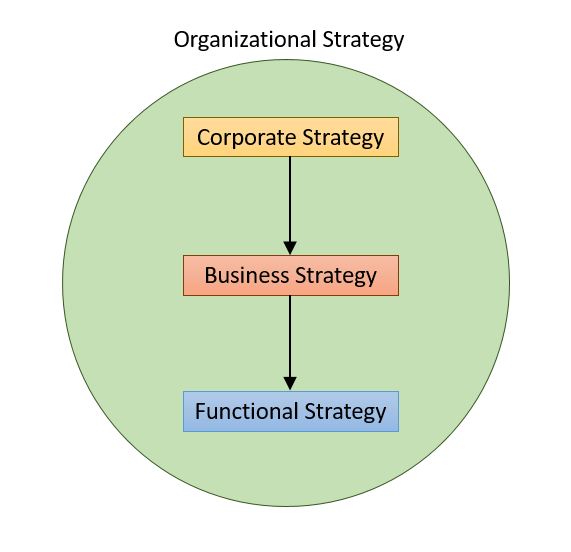
Your organizational strategy informs everything you do — from your priorities and decision making all the way down to your ability to adapt when faced with adversity.

If you’re working without a corporate, business, and functional strategy, your team won’t have any overarching goals to look toward. They’ll focus on the project at hand, but they won’t have a sense of direction beyond the immediate task. That can negatively affect their work productivity.

Be sure to communicate your organizational strategy to every member of your team so they have a framework on which to base their decisions and actions. For more information on creating the best strategy for your company, check out our article Business Strategy: 7 Straightforward Tips For Building A Winning Business.

6) Work Hard To Motivate Your Team

Motivation is the driving force behind your team’s activities and can mean the difference between a high level of work productivity and a low level of work productivity.

Make it a point to find little (and big) ways to motivate your employees every day. We recommend things like:

  • Allowing your employees autonomy

  • Defining your expectations

  • Celebrating achievements

  • Maintaining a positive attitude

  • Finding ways to have fun

  • Giving your employees growth opportunities

  • Leading by example

You can never do too much to motivate your team, so get started right away. Their work productivity will improve, and they will appreciate your efforts.

7) Maintain An Organized Environment

uncluttered desk with laptop, pencil cup, and cell phone

A disorganized and cluttered office seriously affects the work productivity of your team. It also sends a negative message to the customers and clients who visit you there.

If you struggle with maintaining an organized office environment, here are a few simple suggestions for taming the clutter:

  • Hire a commercial cleaner

  • Hire a professional organizer

  • Provide plenty of storage (both personal and professional)

  • Go wireless if at all possible

  • Invest in shelving and other storage solutions

  • Corral and hide power cords

  • Keep items on desks to a minimum

For help with that last suggestion, check out our article How To Organize Your Desk For Maximum Productivity.

8) Train Your Team To Be More Optimistic

Steaming coffee in motivational mug

Large and formidable tasks — like those at the beginning of a project — are overwhelming and can have a demoralizing effect on your team. Instead of pushing and prodding them to get started and make progress, first train your team to be optimistic about the whole process.

One sure way to do this is to break down the big jobs into easily achievable tasks. This will boost your team’s confidence in their ability to complete the steps necessary to move the project forward. That, then, will improve their optimism overall.

As your team completes these smaller sub-tasks, celebrate their successes. Acknowledging progress is a powerful method for keeping optimism high all the way through a long and complicated project.

9) Have Fun

employees enjoying food and drinks

Yes, work is work, but it doesn’t have to be a stressor all the time. If you see your team’s work productivity waning, incorporate a bit of fun into their day and watch productivity soar.

For example, take a break and treat everyone to a coffee at the local café. Go for a walk through the neighborhood. Schedule a work happy hour. Even just five or 10 minutes of fun can reinvigorate your team and inspire them to work hard.

And if your team has a difficult and daunting task ahead of them, don’t be afraid to introduce elements of gameplay into the process. With this strategy, you can turn something as mundane and uninspiring as data entry into a fun activity.

If you’re not sure how to motivate employees by turning a task into a game, use video games as your model. Set up rewards (e.g., badges, trophies, medals) for certain milestones. Hold small ceremonies at the end of the week. Pit two teams against each other in friendly competition.

Even small elements of gameplay like these can transform a difficult job into a fun activity that your employees will look forward to completing.

Productivity Starts With Where You Work

shared coworking space for increased work productivity

At Bond Collective, we’ve designed our workspaces with your team’s productivity in mind. Each of our shared office environments incorporates inspiring design elements like natural light, open floor plans, vivid colors, and multipurpose workspaces to motivate your team to greatness.

We provide all the tools your team needs to get the job done right the first time, such as:

  • Lightning-fast WiFi

  • Free black-and-white printing and copying

  • Access to conference rooms, private booths, and social areas

  • Photo and sound studio (Gowanus only)

  • Guest reception and greeting

  • Regular on-site cleaning

Luxury kitchen area of a coworking location

We even go the extra mile to provide amenities you can’t find anywhere else, like:

  • Mail service

  • Complimentary beer, coffee, tea, water, and fresh fruit

  • Other food and beverages for sale

  • Office showers

  • Bike storage

  • Rooftop lounge area

  • Mothers’ rooms

  • Pet-friendly environments

  • Curated and networking events

So, if you’re looking for a workspace that will increase your team’s work productivity, consider becoming a member of Bond Collective. You can take advantage of our coworking spaces, dedicated desks, and private offices to suit all your business needs.

Coworking space with multiple spaces for working and lounging

Visit our gorgeous office spaces in New York (Bushwick, 55 Broadway, 60 Broad, Gowanus, Flatiron) and Philadelphia (Station House) to experience the best that luxury office environments have to offer.

And to learn more about the advantages of coworking spaces for digital nomads, remote workers, and businesses of all kinds, visit BondCollective.com today.

Standing Desks: The Benefits And Risks Of Standing At Work

man using a standing desk for work

By Bond Collective Staff

Used correctly, a standing desk is a healthy alternative to the seated work life you’re familiar with in your office. But standing desks aren’t the panacea everyone claims them to be. While they offer many benefits, standing desks also come with a list of risks.

Before you spend your hard-earned money on a standing desk, learn all you can about the benefits and risks of standing at work.

Types Of Standing Desks

Although standing desks are available in a variety of shapes and sizes, they fall into two basic categories:

  • Static

  • Adjustable

The majority of the standing desk options on the market today fall into the latter category, but you can still find some unique solutions in the former.

Static

Office with wooden desk and a laptop of a stand

The most basic type of standing desk is the static, or fixed, standing desk. A static standing desk sits at a single height — you cannot adjust it up or down more than a few inches — and is appropriate for most adults.

Unlike adjustable-height standing desks, you cannot use a static standing desk as a seated workstation. You can, however, combine a static standing desk with specially designed exercise equipment — such as a treadmill, an exercise bike, or a stair-stepper — for a unique move-while-you-work solution.

Static standing desks are typically cheaper than adjustable varieties. But if you’re not working from a laptop or tablet, they do require a second computer system. They also take up more floor space overall since you’ll need both the static standing desk as well as a seated desk so your employees can alternate between the two.

Adjustable

Adjustable-height standing desks come in a variety of types. The three most common are:

  • Sit-to-stand adapters for your regular desk

  • Manually adjustable sit-to-stand desk

  • Powered sit-to-stand desk

The sit-to-stand adapter option fits nicely on most desks and gives you the ability to change the height of your monitor and keyboard to accommodate seated or standing work. With these adapters, you can usually only set the surface to one or two heights, so they’re not as flexible as the other adjustable-height varieties.

The other two options — manually adjusted and powered sit-to-stand desks — give you the ability to adjust the entire desk surface up or down through a range of two feet or more. That means you can set the work surface — either by turning a crank or pressing a button — at any height between 24 inches off the ground (for sitting) to 50 inches off the ground (for standing).

Adjustable-height standing desks are quite a bit more expensive than their static cousins and range in price from as low as $800 to as high as $2,000 or more.

If space is an issue in your work environment, these types of standing desks are the better solution because you don’t need a regular desk and a static standing desk. One piece of furniture does both.

The Benefits Of A Standing Desk

desk with work materials

1) Lowered Risk Of Heart Disease

A sedentary lifestyle — like the one most seated office workers have — increases your risk of heart disease by as much as 90 percent. Similarly, sitting uninterrupted for hours at a time increases the risk of cardiovascular events (e.g., heart attack, atherosclerosis) by 147 percent.

The simple act of changing from sitting to standing (and moving more every day) removes those risks entirely.

2) Lowered Risk Of Weight Gain, Obesity, And Type 2 Diabetes

When you sit for prolonged periods of time, your body relies more and more on the chair, so your muscles relax. When you stand, you activate those same muscles to keep your body balanced and upright.

That burns more calories — 50 more calories per hour, in fact.

So if you stand for a total of three hours each workday, you burn 150 calories per day. That might not seem like much, but over the course of a week, you burn 750 extra calories. That quickly adds up to 30,000 extra calories every year.

All of that taken together can have a profound effect on potential weight gain (or loss) and your risk for type 2 diabetes.

3) Reduced Back, Shoulder, And Neck Pain

man using a laptop at a wooden table

It is basically a given that sitting too much can cause back, shoulder, and neck pain. And this type of pain is one of the most common problems office workers experience throughout their day. Standing with good posture while working can counteract these issues.

4) Improved Mood & Energy

Scientists link a sedentary lifestyle with an increased risk of depression and anxiety. This is likely because when your body feels better (because you aren’t sitting for hours on end), your mood and energy level will improve as well.

That can have a beneficial effect on your engagement, focus, and creativity.

5) Increased Productivity

The boost in engagement, focus, and creativity that results from using a standing desk then leads to an increase in productivity. You’re able to finish tasks more quickly and with much better results than you would if you sat all the time.

The Risks Of A Standing Desk

standing desk with laptop and monitor

1) Too Much Of a Good Thing

Doing most activities for excessive lengths of time can be unhealthy, even sleeping. The same can be said of standing. While sitting for seven or eight hours every day has serious repercussions on your physical, mental, and emotional health, standing at work can have similar effects.

That said, the solution shouldn’t be using either a standing desk or a seated desk exclusively but, rather, alternating between a seated and a standing position throughout the day.

2) Discomfort

Standing in one place for more than 30 minutes leads to discomfort — even full-fledged pain — in the joints and connective tissue in your body. Instead of trying to stay still at your standing desk, shift your weight every few minutes and let your body move and sway as the mood strikes you.

3) Muscle Fatigue

Muscle fatigue is another risk of using a standing desk in your work environment. Standing requires tension in the legs, hips, abdomen, and back to keep your body in place. Without practice, your muscles quickly become fatigued when you stand for more than 30 minutes.

If you’re just starting out with a standing desk, sit for 20 minutes and then stand for five minutes. Gradually increase your standing time to no more than 30 minutes per hour.

4) Lower-Limb Swelling

When you stand, your circulatory system has to work against gravity just a bit harder than it does when you sit. And with prolonged periods of standing, your body isn’t going to be as efficient as it usually is.

This drop in efficiency leads to blood pooling in your ankles and calves. The result? Swelling and pain in those same body parts.

5) Deterioration Of Reaction Time & Mental State

The risks of standing too much aren’t only physical. Because your body is using more resources to keep itself upright and stationary, over time, it directs fewer nutrients and less blood to your brain.

This allocation of energy to the muscles instead of the brain leads to deterioration of reaction time and overall mental state. It’s worth noting, however, that this deterioration occurs over several hours of standing in one place without moving. It doesn’t happen right away.

How To Use A Standing Desk For Best Results

As we mentioned at the beginning of this article, switching from a seated desk to a standing desk will not cure all of your work-related ills — especially if you jump from sitting all day to standing all day. That’s just a recipe for more problems.

The best way to use a standing desk is to change your position every 30 minutes and to take a 10-minute movement break once an hour.

Here’s an easy routine to try:

  • Stand for 30 minutes

  • Sit for 20 minutes

  • Walk, stretch, or exercise for 10 minutes

You can switch the standing and sitting in this routine, but try not to sit longer than 30 minutes at a stretch. At the 30-minute mark, your metabolism slows by as much as 90 percent and the muscles in your lower body turn off.

The Best Workspace For Any Type Of Desk

reception area of Bond Collective shared office space

At Bond Collective, we know how to design an office your whole team will love, whether you prefer to sit or stand while you work. So if you’re looking for a workspace that will increase your team’s productivity, consider becoming a member of Bond Collective.

Take advantage of our coworking spaces, dedicated desks, and private offices to suit all your business needs. When you work at Bond Collective, you’ll be surrounded by everything you need to take your teamwork to the next level.

Bond Collective logo on wall

Come see our gorgeous office spaces in New York (55 Broadway, 60 Broad, Gowanus, Flatiron, and Bushwick) and Philadelphia (The Station House).

To learn more about the advantages of coworking spaces for digital nomads, remote workers, and businesses of all kinds, visit BondCollective.com today.

Solopreneur: 11 Tips For When You Are Forging It On Your Own

solopreneur carrying a journal and laptop under her arm

By Bond Collective Staff

Becoming a solopreneur and forging it on your own can be a thrilling experience. You’re making your own decisions and putting it all on the line for your new business. But it can also be a nerve-wracking experience for exactly those same reasons. That’s why we’re here to help relieve some of your anxiety.

The experts at Bond Collective created this list of the 11 best tips for solopreneurs so you can stop worrying and move forward with building your business.

Are You A Solopreneur?

solopreneur using a wifi hotspot to access internet

Are you a solopreneur or an entrepreneur? The distinction may seem subtle on the surface — and many people use the terms interchangeably — but, underneath, the differences are quite profound.

The most basic definition of a solopreneur is:

A professional who starts a business with no intention of ever adding staff.

We can elaborate on that definition to make it even clearer:

A true solopreneur is a professional who starts and develops a business (with no employees) that is portable, scalable, and produces passive income.

So, the major distinction between a solopreneur and an entrepreneur relates to employees. That doesn’t mean you, as a solopreneur, have to do everything yourself — you might hire contractors or freelancers. But you still hold full responsibility for running your business.

While the presence or absence of employees is the key difference between a solopreneur and an entrepreneur, there are other variables that help widen the gap, including:

  • Solopreneurs don’t build the business with the intention of selling it

  • Solopreneurs are more about the work than the networking

  • Solopreneurs don’t want to be managers

  • Solopreneurs are content to run a one-person shop

It’s true that many entrepreneurs start out working alone, but their intention is to build a business with employees that they can eventually sell off to a larger company. Solopreneurs want to run the business by themselves and have no intention of selling.

11 Tips For Solopreneurs

solopreneur using his laptop and mobile phone to work in a cafe

1) Identify Your Desire

As a solopreneur, you’re going to spend a lot of time and effort on your business, so it’s vital to do something you enjoy. Find a business that strikes your passion and that you can see yourself doing for the long term.

Once you’ve identified your desire, take a moment to examine the reasons why you want to start a business. Do you want to be your own boss? Do you want to live a certain way? Do you want to harness a certain skill? The answers to these questions can reveal your true desire for becoming a solopreneur.

2) Find A Base To Work From

Working from your kitchen table or the corner coffee shop is fine at first, but it won’t simply won’t suffice long-term. You want an environment that is comfortable, inspiring, and provides what you need so you can focus on your work. A coworking space is the best option for solopreneurs at every stage of development.

Coworking options like Bond Collective provide beautifully decorated, professional-looking office spaces with unmatched amenities so you don’t have to worry about the infrastructure of your business.

3) Don’t Give Up

Becoming a solopreneur is fraught with challenges. But don’t let these challenges defeat you. If times are difficult, make it your goal to power through. There’s always a light at the end of the tunnel.

The line that separates a successful solopreneur from an unsuccessful solopreneur is the ability to persevere through the lows in expectation of the highs. Believe that things are going to get better and don’t give up.

4) Surround Yourself With Like-Minded Individuals

Working as a solopreneur can be incredibly isolating. Over time, that isolation can have a profoundly negative effect on your motivation, inspiration, and focus.

Surrounding yourself with like-minded people — be they solopreneurs, entrepreneurs, digital nomads, or just business professionals — gives you the support you need to continue working at a high level. And don’t be afraid to ask for advice, vent your frustrations, or celebrate your successes with them.

A coworking space like Bond Collective is an ideal way for solopreneurs to find the support they need from like-minded business professionals.

5) Stick To The Plan

It doesn’t matter whether your business is at an all-time high or an all-time low, you should always stick to your original plan. Dips in profit or sudden spikes in income aren’t a sign that it’s time to pivot. They’re just the regular ups and downs of business.

Success is a series of triumphs and failures — a line on a graph with peaks and valleys. But what keeps that line pointing in an overall upward direction is your consistent effort.

6) Don’t Be Afraid To Pay For The Right Tools

As a solopreneur, you’ll depend almost exclusively on the tools you use every day. If you make furniture, that means saws, drills, and other construction implements. If you build apps, that means computers, servers, and routers.

Whatever type of business you embark on, don’t be afraid to spend more for the most-used tools. A good rule of thumb is to buy a higher-quality tool than you need at the moment. It will last longer, give you the speed you need to get the job done in a timely manner, and adapt with you as your business grows and evolves.

7) Automate Tasks With Apps And Systems

When you run your own business, you wear several different hats. You become the accountant, the customer service rep, the salesperson, and the lead coder. That’s a significant amount of responsibility.

Take advantage of the endless array of apps and automated systems available online and in the cloud. Even a simple time-tracking app can improve your performance, maximize your efficiency, and save you time so you can give your full attention to the tasks that really matter.

8) Benefit From Your Freedom

Woman working at home on her laptop

One of the main reasons for becoming a solopreneur is that you can be your own boss. That accords you a considerable amount of freedom in your day.

You are still accountable for the business you’re running, but you aren’t tied to a specific schedule. You can work when and where it suits you best. Take advantage of this fact and remember to make the most of your freedom.

9) Remember That Money Isn’t Everything

Money isn’t the end-all, be-all of success. Yes, you need to make enough to sustain yourself, but personal health, happiness, and relationships are equally as important.

While it’s vital to set goals for your income and measure the finances surrounding your business, it’s also essential to remember why you became a solopreneur in the first place. This can help you stay firm in your resolve to succeed and sustain you through the lean times.

10) Stay Organized

Organization is crucial for the solopreneur. You’ve got a lot to do and a short time to do it. There’s no room to waste time searching for documents or recreating the wheel every time you have to send an invoice.

If organization isn’t your forte — or even if it is — refer to our guide on How To Organize Your Desk For Maximum Productivity for tips on how to get organized and stay that way.

11) Be Patient

Being a solopreneur is a wonderful way to work. But because you’re working solo, your business might not grow as quickly as more traditional models. Be patient.

This, along with perseverance, is the foundation of success for solopreneurs, entrepreneurs, and anyone looking to grow a business in the 21st century. Remember why you set out on your own in the first place — core values, lifestyle choice, freedom — and give your business the time it needs to find a solid footing.

Coworking Space: The Perfect Work Environment For Solopreneurs

small team conference room in a coworking space at Bond Collective

Finding the perfect work environment for your solopreneur efforts doesn’t have to be a monumental task. Reach out to Bond Collective. We can help you find a space that is tailor-made for your brand and image.

Tour our gorgeous office spaces in New York (55 Broadway, 60 Broad, Gowanus, Flatiron, and Bushwick) and Philadelphia (The Station House) to experience the best that modern coworking spaces have to offer. Then become a member of Bond Collective and take advantage of our coworking spaces, dedicated desks, and private offices to suit all your business needs.

To get started or to learn more about coworking space benefits for digital nomads, startups, remote workers, and businesses of all sizes, visit BondCollective.com today.

How To Organize Your Desk For Maximum Productivity

Well-organized gray desk with laptop, books, cell phone

By Bond Collective Staff

For some people, organization is second nature. For others, it’s like forcing a square peg into a round hole. If you’re in the latter group, we’ll show you how to organize your desk for maximum productivity. If you’re in the former group, you’ll find some unique tips to make your organization even better.

How To Organize Your Desk

1) Clear Everything Off

Small round table and two black chairs

The first step in organizing your desk is clearing everything off. And when we say everything, we mean everything. Disconnect the phone. Unplug the monitor. Remove all papers, files, and office supplies. You should be able to see every square inch of your desk when you’re done.

Before moving on to the next step, take a few minutes to sort through the extra paper and office supplies. Discard what you don’t need and put the rest in piles for later.

2) Clean All Surfaces

While the top of your desk is completely bare, clean the surface with a soft cloth and disinfectant. It takes less than a minute, but it makes for a happier and healthier working environment.

And while you’re at it, clean your keyboard (one of the dirtiest and most difficult-to-clean tools on your desk) with this quick and easy office hack: run a strip of clear tape through the spaces between keys to pull out all the dust, crumbs, and hair that build up over time.

3) Divide Your Desk Into Sections

Woman working at a clean desk after learning how to organize your desk

Now it’s time to start organizing. For this step, divide your desk into distinct areas:

  1. Monitor/Computer

  2. Phone

  3. Files & Paper

  4. Empty Space

  5. Supplies

Here’s what goes in each section.

Monitor/Computer

This is the space for your most important tool: a monitor and/or laptop. It doesn’t matter if you use a laptop by itself, a laptop and a peripheral monitor, or just a monitor (with a desktop unit stashed somewhere else), this item needs its own dedicated area.

The middle third of your desk should always be reserved for your computer. That way, you can pull your laptop or keyboard toward you or away from you as the need arises. If you leave enough room to do that, you can always use the space directly in front of you for writing, signing, and reviewing papers.

Phone

If you have a landline phone on your desk, place it on your dominant side toward the back of your desk. That way, you don’t have to reach across your body to pick it up.

If you don’t have a landline phone on your desk, use that space to set up a charging station for your mobile phone or tablet. If you don’t have either of those, move one of the other sections here so you have more empty space at the front of your desk.

Files & Paper

In the back corner opposite your phone, place a four- or five-slot vertical file holder. Label those slots with the following priorities:

  • Urgent and important

  • Urgent but not important

  • Important but not urgent

  • Not important and not urgent

Now sort through all the papers you removed from your desk and place them in file folders that correspond to one of the four categories. Store these file folders in the vertical holder.

Empty Space

Maintain an empty space in front of your phone (or where your phone should be). That way, you’ll always have a quick-access workspace on your dominant side for writing and organizing.

Supplies

bottles of colored paint organized in cubbies

Limit your supplies to only a few essential items and store them in the same place all the time.

Keep in mind that you don’t need a cupful of pens and pencils when a single, high-quality one will do. When you’re finished writing, always place the pen or pencil back in its designated spot. We like to store these writing implements on the edge of our adding machine or the back of our keyboard.

4) Limit Personal Items

One of the biggest distractions on your desk is clutter in the form of personal items. So if you’re looking for one of the best tips on how to organize your desk, limit those personal items to no more than three.

A picture of your family or pet. A unique souvenir from your recent trip. Your favorite stress ball. And that’s it. Limiting your personal items to three or fewer helps you avoid distractions and stay focused.

5) Hide Purses Or Bags In A Drawer

When you walk to your desk first thing in the morning, don’t just drop your purse, bag, and cell phone onto the desk. This is unnecessary clutter that can make you feel overwhelmed before you even begin.

Instead, stow your bag or purse in a large desk drawer so it’s out of sight and out of mind. And if you really want to keep your desk organized, move your mobile phone to this drawer too so you’re not constantly checking for notifications.

6) Set Up An Inbox

Clean desk with laptop, coffee mug, and plant

If team members are constantly delivering papers to your desk, keep the information organized with an inbox. Be sure to label the inbox with big, bold letters so that everyone knows where to place new items. This helps maintain your desk organization — especially when you’re away — by restricting everything that comes in to one area of your desk.

If you choose to use an inbox, place it in or near the same section of your desk reserved for the vertical file holder mentioned above.

7) Scan Documents When Possible

If you’re concerned with how to organize your desk and keep it clear of all the paper that accumulates throughout the day, scan as many documents into your computer as possible.

Create a special folder on your computer (something like “Scanned Documents”) and set it up so that all new scans are stored in that location. From there, you can move the documents into more specific folders for long-term storage.

Scanning only takes a few moments depending on how many pieces of paper you have, but it can save you time and energy in the long run by keeping your desk organized and tidy.

8) Corral Computer Cables

Few things make your desk feel more disorganized than a messy mass of computer cables. Simply knowing that a big knot of wires is hanging under your desk or lying on the floor is enough to distract even the most focused person.

Invest in a cable-organization system and take a half-hour when work is slow to corral the cords so there’s less disarray. This will make your desk feel more organized even if you never see the cables again.

9) Store Electronics Out Of Sight

coworking space with open desks and chairs

We’ve already mentioned how to organize your desk by storing your phone in a drawer while you’re working. But you can use the same idea to good effect by storing other electronics out of sight (or at least off your desktop) as well.

If you use a desktop computer for work, place the CPU on the floor beside or under your desk. Your modem and router can go down there too — or even in a drawer — as a solution for how to organize your desk.

10) Tidy Your Space Before Leaving Each Day

Once you have your desk organized the way you want it, make a point to tidy your space every day before you leave the office. File those stray pieces of paper in the vertical holder. Put your pen or pencil back in its place. Get rid of any scrap paper you no longer need.

Then wipe your desk with a damp cloth or paper towel to keep the dust from piling up. The whole process should only take a few minutes. But those few minutes will save you time later on and help you avoid having to organize your desk from scratch all over again.

Organization Is An Ongoing Process

large modern conference room and table with chairs in a coworking space

It’s vital to remember that organization is an ongoing process. It’s not going to happen overnight, especially if you’re a piler rather than a filer.

While you may get your desk organized in an hour or two, keeping it that way is more a marathon than a sprint. It’s going to demand your attention every day until the process of organization becomes a habit. So stick with it. And continue looking for ways to organize better, even if they seem unorthodox.

Keep in mind that what works for your teammate may not work for you. That’s OK. If you can keep your desk organized with a horizontal filing system instead of a vertical system, then that’s what you need to do. In this case, it’s less about the process and more about the result.

For more resources to help you manage your business or to learn about the advantages of coworking spaces for digital nomads, remote workers, and businesses of all kinds, visit BondCollective.com today.

What Is A Lifestyle Entrepreneur And How To Become One

man in jacket holding a lightbulb with string lights inside

By Bond Collective Staff

Work is a big part of your life, but it doesn’t have to be your whole life. That’s the premise — and the attraction — behind becoming a lifestyle entrepreneur. You, not your employer, have control over your work/life balance.

But what exactly is a lifestyle entrepreneur? What are the benefits and drawbacks of this unique work style? And how can you become one of the millions who have ventured out on their own? In this article, we’ll help you understand what it means to be a lifestyle entrepreneur and give you some tips to help you transition from the 9-to-5 grind.

Lifestyle Entrepreneur Defined

desk with a laptop and mobile phone, the most important equipment necessary to become a lifestyle entrepreneur

A lifestyle entrepreneur is a person who creates a business with the purpose of altering their personal lifestyle. The choice is not solely about making more money. In fact, many lifestyle entrepreneurs make less money for the first few years than they did working in a “conventional” job.

A lifestyle entrepreneur focuses more on the life rewards (rather than the monetary rewards) provided to those that have a true passion for their work and enjoy what they’re doing. These life rewards include:

  • Autonomy

  • Fun

  • Freedom

  • Time

  • Flexibility

  • Happiness

In contrast to the common 9-to-5 career where a person works from the same location every day, a lifestyle entrepreneur usually works online and can operate from anywhere they choose. All they need is a computer (usually a laptop) and an internet connection to keep things running.

Because they can access their business anytime, anywhere, lifestyle entrepreneurs aren’t tied to a specific location — city, state, or even country — and can take their work with them all over the world.

The Benefits Of Being A Lifestyle Entrepreneur

business people walking through a busy corporate hallway

Control

When you become a lifestyle entrepreneur, you control the course of your business and, as a result, your life. You get to choose what you want to do based on your skills, strengths, and desires. That control leads to increased job satisfaction and increased life satisfaction.

Effort-Based Salary

As a lifestyle entrepreneur, your income is directly related to the time and effort you put into your business. What you do has a direct effect on how much you pay yourself and, ultimately, the success of your business

Excitement

For a lifestyle entrepreneur, each day is filled with new challenges, new possibilities to grow and learn, and new opportunities to improve your business. That makes the work exciting and highly enjoyable.

Freedom

For many a budding lifestyle entrepreneur, this is the biggest draw. Freedom to work wherever, whenever, and however they want.

As a lifestyle entrepreneur, you can schedule your work hours around more important commitments (such as family) and tailor your schedule so that it’s ideal for you. You even have the flexibility to work when you’re at your best (e.g., early in the morning or late at night).

The Drawbacks Of Being A Lifestyle Entrepreneur

lifestyle entrepreneur running to a meeting in the city

Unpredictable Work Schedule

One of the drawbacks of being a lifestyle entrepreneur is the unpredictable schedule. At first, you may have to work whenever the opportunity arises (and often longer than a “regular” job). But once you establish your business and get it running smoothly, your work schedule will become much more predictable.

Paperwork

As a lifestyle entrepreneur, you make all the decisions. But you are also responsible for all the paperwork associated with your business. At first, getting everything in order (permits, taxes, invoicing) will take up a significant amount of your time.

Eventually, though, if you grow your business properly, you can hire people to relieve you of this burden.

Irregular Salary

Another critical drawback of becoming a lifestyle entrepreneur is the irregular pay. When you switch from working for someone else to working for yourself, you give up the security of a regular paycheck. Fluctuating salaries are one of the main reasons many would-be lifestyle entrepreneurs stay where they are instead of venturing out on their own.

Added Responsibility

When you transition into a lifestyle entrepreneur, everything depends on you. You are responsible for the success or failure of your business. That type of responsibility can be incredibly intimidating for some people and is enough to keep them from taking the risk.

How To Become A Lifestyle Entrepreneur

man working on two laptops

1) Ask Yourself The Essential Questions

Becoming a lifestyle entrepreneur and finding your niche involves listening to yourself and deciding what you want from life. Here are some vital questions to answer before making any major changes:

  • What am I good at?

  • What am I passionate about?

  • If money were no object, what would I do?

  • How much financial stability do I need?

  • What is my perfect place to work?

  • Can I handle working from home?

Answering these questions can help you decide if you want to venture out on your own, what type of business to start, what your priorities are, and what type of schedule you want to work.

2) Find The Right Place To Work

This is one of the cornerstones of becoming a lifestyle entrepreneur. Where you work can make or break how you work more than any other decision on this list.

Working from home is a great way to save money, but it can be incredibly isolating and uninspiring. On the other end of the spectrum, tying yourself down with a conventional lease is extremely expensive and is often out of reach for most lifestyle entrepreneurs.

The best solution is to base your operations in a coworking space. With a coworking space, you get the professional appearance and comfort of a dedicated space with the affordability, amenities, and inspiration of a communal environment.

3) Use The Right Tools

Working as a lifestyle entrepreneur means working online. For that, you need two things:

  1. A good computer

  2. Fast internet

When choosing these tools for yourself, you don’t want to skimp. If you’re going to be mobile, a laptop is the best choice for a computer. Get more power than you need starting out. That will give you room to grow as your business does.

And get the fastest, most stable internet/WiFi you can afford. Your whole business will be traveling through the ether, and you don’t want to wait on slow data transfer or outages that affect your timetables.

4) Choose The Right Business

The right business for you depends on many different factors, including your knowledge, your passion, your skills, and the way you want to work. Use the questions in step one of this section to help you decide what business is right for you.

5) Put In The Time And Effort

Now, all that remains is putting in the time and effort to make your business a success.

Keep in mind that success isn’t automatic. It will take a lot of work. But the nice thing about being a lifestyle entrepreneur is that you’re on an adventure — an adventure you control. And because of that, the long hours and sometimes-sleepless nights feel more like play than work.

That’s what makes being a lifestyle entrepreneur so appealing.

Give Your Business The Best Chance For Success

lifestyle entrepreneurs using a coworking space to get work done

When you first start out as a lifestyle entrepreneur, you have plenty of desire, drive, and energy, but money is often in short supply. That doesn’t mean you have to confine your work life to your dining room table or the noisy corner coffee shop. You can work in a professional office environment with other like-minded entrepreneurs…without signing an expensive lease.

The coworking spaces at Bond Collective give you the flexibility and affordability to work the way you want without the extra headache of a long-term commitment. This gives your business the best chance for success.

You can start out working at a “hot desk,” a dedicated desk, or even in a private office. And with Bond Collective’s month-to-month plans, expand or contract your workspace footprint as your needs arise. You can’t do that with a conventional lease.

So start your lifestyle entrepreneur journey on the right foot by partnering with Bond Collective. We can help you reach your goals.

Tour our gorgeous office spaces in New York (Bushwick, 55 Broadway, 60 Broad, Gowanus, Flatiron) and Philadelphia (The Station House) to experience the best that modern office spaces have to offer. Then become a member of Bond Collective and take advantage of our multiple locations, beautiful decor, and best-in-the-industry amenities to suit all your business needs.

To get started or to learn more about the advantages of coworking spaces for digital nomads, remote workers, and businesses of all kinds, visit BondCollective.com today.

Open Office Floor Plan: 6 Pros And 6 Cons to Consider

open office plan work environment with a variety of functional areas

By Bond Collective Staff

Open office plan work environments are all the rage right now — especially for entrepreneurs, startups, and other small businesses. They are a quick, easy, and practical way to get a team up and running without the expense and delay of constructing a divided office from scratch.

All you need for an open office plan are your desks, furniture, and equipment. But as simple and efficient as that sounds, the open office plan does come with a list of pros and cons. It’s critical to consider these benefits and drawbacks before committing your team to a specific layout.

What Is An Open Office Plan?

entry area of bond collective shared coworking and open office plan spaces

An open office plan is a layout in which you accommodate all of your team members and equipment in a single large, open room.

Departments or divisions are usually grouped in different parts of the space, but there are very few (if any) dividing walls. Instead, demarcations are created with counter- or desk-height cabinets, shelves, and plants of all shapes and sizes.

When laying out your open office plan, be sure to include areas for quiet concentration, regular work, socialization, and group meetings. This will help to allay some of the common drawbacks inherent in the open office plan.

6 Pros Of An Open Office Plan

1) Lower Cost

open office plan area at bond collective with large windows and long corner sofa

Open office spaces are generally more economical than traditional layouts. You spend less money on dividers and costly construction. As a result, more funds are available for equipment and other necessities.

In fact, many fledgling businesses — and even some large corporations and enterprises — are opting for the benefits that come with renting fully furnished open office plan spaces from companies like Bond Collective.

The cost savings of an open office plan allow you to invest your capital where it can help your company grow.

2) Flexibility

Open office plans are, by nature, extremely flexible. If a certain layout isn’t working, change it. If you’ve got part of your layout dialed-in but still need to perfect a smaller area, the open office plan makes it easy to move things around.

To maximize flexibility, think of each type of work your team conducts as a component of the whole. Quiet work goes in one area, group work goes in another area, socialization in yet another. You’ll also need space for meetings and the like.

With these four basic categories in mind, you can simply divide your large space into quadrants and arrange the furniture accordingly. Then, if you don’t like where one “job” is located, you can switch with one of the others.

3) Improved Communication

modern open office with kitchen and other functional areas

The open office layout naturally lends itself to improved communication. Fewer barriers between team members means that collaboration is easier to initiate. The increase in collaboration then fosters teamwork and improves work relationships.

This can be especially beneficial for solopreneurs and startups that can often thrive on the creativity, support, and community they receive from working in an open office space with other businesses.

4) Pleasing Aesthetics

quiet concentration area of modern open office plan

Open office plans don’t suffer from the sense of division that characterizes the cubicle office of the last century. This provides a modern, trendy vibe to the space that can promote creativity and out-of-the-box thinking.

Most open office layouts are also aesthetically pleasing because they can be decorated in a variety of ways that traditional offices simply can’t. That stimulates the senses and is much more invigorating than the cold, fluorescent, “rat-in-a-maze” feel of the cubicle office.

5) Centralization

large tables and comfortable furniture combined to form a functional open office

One of the key features of the open office plan is centralization. Teams and departments share office equipment like printers and copiers — as well as other tools and supplies — which are placed in a central location for easy access.

Imagine your printers, copiers, and supplies at the center of the room with work areas arranged around the periphery. This type of centralization promotes efficiency, economy, and full use of essential equipment.

6) Sense Of Democracy

comfortable furniture in open area for socialization or group meetings

Open offices promote a sense of equality and democracy because everyone — managers and team members alike — work in one big room. No competition for the biggest corner office or hurt feelings because one employee has a larger desk.

Of course, you will need private spaces where individuals and teams can go to discuss sensitive matters. But that can be handled with a walled-off conference room or smaller private collaboration rooms.

6 Cons Of An Open Office Plan

1) Noise Level

desks with computers grouped together in one area of an open office plan

Noise level is one of the biggest cons of the open office plan. Why? Because improved communication often leads to non-work conversation.

Without the cubicle surfaces and interior walls to absorb sound, even business-related phone calls can become an issue if someone needs to concentrate or focus on a difficult task.

To combat noise-related issues, Bond Collective has created specific areas in our open office floor plans for quiet, focused work. This cuts down (and even eliminates completely) the echo effect that plagues most coworking spaces.

2) Distractions

large open office area with many desks and team members working

In an open office, distractions come in all shapes and sizes. The noise previously mentioned is certainly one. But even movement can become a distraction when team members are having a hard time working.

People getting up to use the copier, go to the restroom, or retrieve supplies can pull focus away from the task at hand and interrupt creativity and flow. Some employees can thrive in this type of environment — they find it stimulating — while others find it overwhelming.

The open office spaces at Bond Collective, though, are designed to minimize distractions. We separate spaces with plants, shelves, and large furniture to block the excessive movement common in most coworking spaces.

3) Lack Of Privacy

view from above of outdoor coffee table and chairs

Lack of privacy in an open office can be a problem for team members who may feel that someone is always watching them. It can also be an issue for team members who deal with sensitive matters on a daily basis.

Executives handling high-level matters might suffer from an extreme lack of privacy to the point that it can be detrimental to the business. Strategies and secrets can travel fast in an open office layout.

But at Bond Collective, you don’t have to worry about your privacy becoming an issue. All members have access to private meeting and phone booths. And you can always reserve a private office for your exclusive use by expanding your membership.

4) Health Concerns

Partitions and interior walls prevent the spread of noise, but they also prevent the spread of germs. In an open office space, there’s nothing to prevent illnesses from spreading like wildfire.

Best case, it’s only one or two team members who get sick. Worst case, your whole team has to stay home and you lose a few days of productivity. You can counteract this issue by promoting cleanliness, hand-washing, and staying home rather than coming to work when you’re sick.

Bond Collective takes your health concerns seriously. Our daily on-site cleaning disinfects common work areas (kitchen, bathrooms, lounge, etc.) so that you don’t have to worry about your team getting sick.

5) Clutter

case of office supplies

If not maintained properly, an open office space quickly takes on a cluttered, untidy appearance. This can have a negative effect on the morale and productivity of your team members working there. It can even make a bad impression should clients or customers visit you at your workplace.

To fight the clutter, keep desk decorations to a minimum, provide plenty of storage, and try to hide the cords whenever possible.

The pros at Bond Collective are familiar with the effects clutter can have on productivity. We minimize these distractions by offering plenty of storage, recessed and corralled cords, and well-designed workspaces that feel open and clutter-free.

6) Stress

team members working on projects in different areas

Because of the noise, distractions, lack of privacy, and cluttered appearance, open office plans can feel stressful to a wide variety of individuals.

Older employees (those accustomed to the cubicles of a few years ago), the easily distracted, and those who have never worked in an open office before are particularly susceptible to heightened stress levels in this type of work environment.

At Bond Collective all of our services, decor, and amenities are designed to reduce the stress of your daily work life so you can focus on performing at your best all the time.

The Best Of Both Worlds

row of desks and chairs facing a glass wall in a coworking space

Whether your team thrives in an open office space, a private office, or a mix of both, you can get the best of all layout options when you work at Bond Collective. Bond Collective’s hot desks (first-come, first-served), dedicated desks, private offices, and conference rooms give your team the flexibility to work in the environment that suits them best.

two functional working spaces within a shared office space

Bond Collective offers industry-leading amenities that exceed all your expectations, including:

  • 24-hour access

  • Custom build-outs

  • Guest reception and greeting

  • Insanely-fast WiFi

  • Private meeting and phone booths

  • Black-and-white printing

  • Networking events

  • Mail service

  • Daily on-site cleaning

  • Mothers’ rooms

  • Rooftop lounge

  • Bike storage

Complimentary beer, coffee, tea, and fresh fruit

If you’re looking for a workspace that will inspire your team to greatness, visit our gorgeous office spaces in New York (Bushwick, 55 Broadway, 60 Broad, Gowanus, Flatiron) and Philadelphia (Station House). Then become a member to experience the best that luxury open office plans have to offer.

To learn more about the advantages of coworking spaces for digital nomads, remote workers, and businesses of all kinds, visit BondCollective.com today.

Business Strategy: 7 Straightforward Tips For Building A Winning Business

black chess game piece on yellow chess board

By Bond Collective Staff

Whether you run a one-person startup out of your basement or a 500-person corporation with offices on both coasts, you need a business strategy. Without one, you’re setting your company up to fail.

As vital for success as business strategy is, many owners, managers, and entrepreneurs lack a firm grasp on the ins and outs of these guiding principles. In this article, we’ll help you understand business strategy, why it’s a key component of your success, and how to build one of your own.

What Is Business Strategy?

Business strategy (a.k.a. business level strategy) is a component of the much larger organizational strategy that governs all of your company’s activities.

Visualize it this way:

business strategy diagram

Organizational strategy is a plan that specifies how your business will allocate resources like money, labor, and inventory in order to support infrastructure, production, marketing, and other business activities.

Corporate strategy is the main purpose of your business. Think of it as the destination toward which your business is moving. That destination influences all the decisions you make in the other parts of your business.

Business strategy translates the corporate strategy into actionable goals. It’s the how to the corporate strategy’s what.

Functional strategy is the specific actions and benchmarks you assign to individuals or departments to support your business strategy.

When your business is new, your organizational strategy may be the same as your functional strategy. But as your business grows, you’ll start to add new layers of strategy (business on top of functional, corporate on top of business) until your organizational strategy is vastly different from your functional strategy.

Think of these different levels like a car. The functional strategy is the wheels — it’s where the rubber meets the road, so to speak. The corporate strategy is the engine — it provides the power and the drive.

And finally, the business strategy is the differential — it bridges the gap between corporate strategy and functional strategy and translates drive into actual movement.

Why Is Business Strategy Crucial?

flat lay of map and laptop with other office items on wooden desk

At the most basic — and regardless of the size of your business — you need at least two strategies at all times:

  • Business strategy

  • Functional strategy

Business strategy gives you the what (e.g., improve quality) that translates into specific actions at the functional level (e.g., redesign the product to make it easier to produce). Even at the startup level, business strategy is essential for providing direction and purpose.

But the crucial nature of business strategy doesn’t stop there. Here are three more reasons why your company absolutely needs a business strategy.

1) Priorities

Direction is a large part of what a business strategy does. But it’s not the only part. Yes, you need to know which way to move and what to work on, but you also need to know when to perform these activities.

Your business strategy will set these priorities and tell everyone what they should do first, second, third, and fourth in order to move your company toward a specific goal.

2) Decision Making

wooded area and path that forks into two separate paths

Your business strategy also clarifies and simplifies the decision-making process. When you have a direction and know the order of steps to take to get there (your priorities), your decisions become more obvious and are easier to make.

For example, if your corporate strategy is to increase year-end profits by 5 percent but you look at the market and see that you’ve already reached saturation, your choices are limited. You’re going to need to diversify.

From there, you can set your business strategy at penetrating new markets. This, then, informs what each department or individual in your company needs to do: find new markets for your product or service.

3) Adaptation

If you’re riding a train to work one morning and the train breaks down in the station, do you give up and go home? No. You find another train (or take a bus or drive or walk) to get you to your destination.

In the business world, your business strategy is that destination. If problems arise along the way (which they will), you adapt in order to continue progressing toward your ultimate goal. That may mean finding alternative solutions or even going back to the drawing board.

Whatever the adaptation may be, it should continue moving your company toward the destination set out in your business strategy.

7 Tips For Building A Winning Business Strategy

1) Be Realistic

When you sit down to hammer out your business strategy, do your best to keep it realistic. Going from $50,000 in profit to $200,000 in profit from one year to the next may seem like a great idea, but is it realistic at this time? Maybe a profit of $60,000 or $75,000 would be a better goal.

2) Make It Measurable

map with graphing and measuring tools for creating a business strategy

Saying you want to improve your product is fine but is not measurable. All business strategies should have some type of quantitative value assigned to them.

If improving your product is the goal, rephrase the statement to something like restrict faulty product to 10% of the total. That’s a measurable business strategy.

3) Be Specific

Instead of setting your strategy as being the best in the business, be as specific as possible. This specificity often encompasses the measurability mentioned above.

With this in mind, a better business strategy would be to hold a 60-percent market share among all direct competitors.

4) Set Limits

When creating your business strategies, attach a deadline to each one. This will dictate what you do first, second, and third and how quickly you’ll need to complete each step. Don’t leave your strategies open-ended or you risk losing momentum.

5) Ensure That Everyone Is Working Toward The Same Goal

multi-directional signs on a post with sunset sky in the background

Your business strategy should provide direction to all departments and individuals in your company.

When you first open your doors, it may be the only guide you have. Eventually, you’ll grow enough that it acts as an intermediary between the more general corporate strategy and the very specific functional strategy.

Without a business strategy to show the way, it’s all too easy for a department or individual to get off track and start moving toward a different goal.

6) Coordinate Departments And Individuals

Business strategies are all about bringing everyone together — from owners and managers to individuals and teams — and coordinating their activities for a single purpose. This helps to promote teamwork at every level of your business.

7) Strengthen Specific Skills In Each Department

silhouettes of hikers climbing a grassy hill

When crafting your business strategy, be sure to designate who does what. Whether that is an individual or an entire department, your business strategy should delineate a clear separation of responsibilities.

Without this key component, you may find your advertising department doing the work of the coding department. This is an inefficient (and potentially detrimental) allocation of skills. Advertising professionals likely don’t have the coding skills to do the job right the first time.

Even if they do, it’s better to let them focus on performing one activity well rather than two activities poorly.

Don’t Let Where You Work Dictate Your Business Strategy

modern coworking space that is ideal for creating business strategy

Too often, new entrepreneurs allow their work environment to dictate their business strategy. Because they’re short on funds or have cash tied up in more essential areas, they may set part of their business strategy to improve infrastructure (e.g., furniture, heating and cooling, supplies, etc.). This is a mistake.

Business strategy should be about moving the business toward success, not about the comfort and focus of your team. The latter is more of a functional strategy that is the concern of your HR department (or individual).

large staircase with stone wall and exposed brick

The easiest way to give your team the infrastructure they need to stay focused, be comfortable while they work, and succeed at their tasks is to work in a shared office space, like those offered by Bond Collective.

At Bond Collective, you’ll enjoy:

  • State-of-the-art heating and cooling

  • Insanely fast Wi-Fi

  • Private meeting and phone booths

  • Concession food market

  • Complimentary beer, coffee, and tea

  • Complimentary fresh fruit

  • Private-label mail service

  • Daily on-site cleaning

  • Custom build-outs

  • Guest reception and greeting

  • 24-hour access

  • Bike storage

  • And much more…

Tour our gorgeous office spaces in New York (Bushwick, 55 Broadway, 60 Broad, Gowanus, Flatiron) and Philadelphia (The Station House) to experience the best that modern office spaces have to offer. Then become a member of Bond Collective and take advantage of our coworking spaces, dedicated desks, and private offices to suit all your business needs.

white and brick office area with large tables and chairs

To get started or to learn more about the advantages of coworking spaces for digital nomads, remote workers, and businesses of all kinds, visit BondCollective.com today.

Working Environment: What Teams And Solopreneurs Need To Be Successful

modern-industrial common area with comfortable furniture at a coworking space

By Bond Collective Staff

A productive working environment is a unique mix of personal habits and surrounding influences. So how can you, as a team leader or solopreneur, create the best working environment possible?

In this article, we’ll discuss 10 ways you can improve productivity, focus, and engagement by tweaking your habits and your workspace.

10 Tips For A Productive Working Environment

1) Promote Wellness

kitchen area with tables and chairs at a coworking space

It’s the new truth in business that a healthy team member is a happy and productive team member. Whether you work as a team of one or you’re part of a larger group, personal wellness plays a vital role in your success.

Simple ways to improve your health include:

  • Eating plenty of fruits and vegetables throughout the day

  • Snacking on a handful of healthy raw nuts between meals

  • Drinking eight cups of clear water every day

  • Moving periodically throughout the day

To promote health and wellness at work, stock the pantry with nutritious foods and have water readily available. Move the furniture to make room for yoga classes. Go for a walk. Or offer in-office kitchen events where team members can whip up a healthy meal and eat together.

These and other wellness practices promote a happy working environment and help keep your team members more focused on the tasks at hand.

2) Focus On Teamwork

The importance of teamwork should never be underestimated. To do so chips away at the bedrock on which all successful businesses are built. Don’t make that mistake.

Take time out of your workday to promote a sense of unity — an enthusiasm for common interests and responsibilities — amongst your team. It doesn’t matter whether it’s you and one other person or you and 100 other people, building teamwork will improve the way your business functions.

If you’re struggling for ideas, try these simple, fun, and quick activities to keep your team members working well together:

  • Organize a team crossword puzzle race

  • Do 10 minutes of group calisthenics or stretching

  • Play a quick round of Pictionary or Taboo

  • Hold a one-minute typing contest

  • Organize a work happy hour

These and other team-building activities will promote unity and ensure that your team members are able to handle any challenge that comes their way.

3) Engage With Different Personalities

business people in georgeous reception area at Bond Collective's shared working environment

We’re all different. And while that may seem like a negative statement to some, those myriad differences provide a more diverse and productive working environment. Rather than promote one way of thinking, behaving, and working, encourage diversity of thought and action.

From a manager’s point of view, this requires that you get to know your team members. Find out what motivates them and tap into that drive to help them succeed.

4) Take Regular Breaks

As a busy manager or solopreneur, you know that it takes energy to stay focused and working at your highest potential. The same goes for your team members.

To keep everyone’s energy levels high, encourage short breaks from the working environment throughout the day. This will allow your team members to stay fueled and hydrated and help them recharge their mental batteries during difficult tasks.

Even just five minutes away from the task at hand can improve focus and creativity upon return.

5) Keep The Working Environment Clean And Comfortable

small clean and clutter-free working environment with desks and chairs

Do your best to keep your working environment as clean as possible. In this case, clean means free of dust and dirt (we’ll talk about clutter in the next section).

You may need to hire an outside company to come in and clean your office space so the responsibility doesn’t fall on any one team member’s shoulders. You can also encourage team members to tidy up after themselves (in the kitchen and the bathroom especially) in order to maintain a clean and healthy working environment.

As to comfort, that involves both air quality and seating options. Here are ways to help your team members stay comfortable throughout the day:

  • Keep the temperature relatively cool in your working environment so that team members don’t get too hot

  • Provide comfortable, ergonomic chairs and a variety of alternative seating and work-surface options

6) Minimize Clutter

Clutter may not be inherently unclean (as in germ-ridden), but in the minds of many, it produces the same effect as a dirty kitchen counter. It also gives the impression that your business and working environment is disorganized. That can have a serious effect on the productivity of your team. It may also send the wrong message to your customers and clients.

But making your working environment as tidy as possible is not a one-person job. It requires the efforts of all your team members. To help get everyone on the same page, sit down with your team and brainstorm ways to reduce the amount of clutter that is visible in your office.

Here are some simple suggestions to get you started:

  • Go wireless if possible

  • Reduce items on your desk

  • Invest in storage solutions

  • Corral and hide the power cords

  • Provide each team member with a personal storage space

7) Create Separate Spaces For Quiet Work, Collaboration, And Socialization

open and modern working environment with large conference table and chairs

Sometimes, productivity requires quiet concentration. At other times, productivity requires collaboration. And at yet other times, productivity and inspiration come from socialization.

That’s why it’s essential to provide spaces for each of these unique activities. Here’s how to make this possible:

  • Set up a quiet space at one end of the room or in a corner.

  • Set up a socialization space at the opposite end of the room away from the quiet space.

  • Carve out a space in-between for work-related collaboration.

  • Separate these distinct areas with screens, dividers, plants, or storage units.

With this office setup, your team members can change working environments as their needs demand and won’t disturb those who require quiet or collaboration.

8) Liven Up Your Space With Nature

Natural accents like plants, exposed concrete and wood floors, reclaimed wood desktops, and painted steel are simple ways to liven up your working environment. These natural touches have the added benefit of making team members feel more comfortable.

When employees are more comfortable, they’re more focused, creative, and productive.

9) Incorporate Windows And Natural Light

large open staircase with granite and exposed brick

Whenever possible, incorporate windows and natural light into your working environment. The human body responds better to this type of light when compared to the white fluorescent light that dominated offices for so many years.

While you may not have control over the number of windows in your workspace, you can provide lamps with softer wavelengths. This helps mimic the light you get through windows.

Some modern office lighting even changes automatically from the cooler greens and blues that occur in the morning to the warmer yellows and reds that occur in the afternoon.

10) Alternate Between Sitting And Standing

In recent years, medical professionals have begun to recognize the negative health impacts of sitting for long periods of time every day.

You can avoid this issue becoming a problem for your team members by giving them the choice to work in a variety of positions. The easiest way to do that is to provide different heights of work surfaces, adjustable-height desks, stools, couches, and other standing and sitting options.

Encourage your team members to change from seated to standing at least once an hour.

The Best Working Environment Is A Coworking Environment

reception area and wall with Bond Collective sign welcoming visitors

If you want to create the best working environment possible without the stress, strain, and expense of building your own from the ground up, base your team or solopreneur activities in a coworking space like those at Bond Collective.

Each of our shared working environments incorporates inspiring design elements like natural light, open floor plans, tasteful and professional decor, and multipurpose workspaces.

At Bond Collective, the benefits don’t stop with the office space. In addition to our unique work settings, members also enjoy amenities like:

  • Daily on-site cleaning

  • Guest reception and greeting

  • Private-label mail service

  • Daily on-site cleaning

  • Lightning fast Wi-Fi

  • Concession food market

  • Conference Rooms

  • Black-and-white printing

  • Networking and curated events

  • 24-hour access

  • Bike storage

If you’re looking for a working environment that is sure to increase your team’s happiness and productivity, become a member of Bond Collective. Tour our gorgeous coworking spaces in New York (Bushwick, 55 Broadway, 60 Broad, Gowanus, Flatiron) and Philadelphia (The Station House). Then take advantage of our coworking spaces, dedicated desks, and private offices to suit all your business needs.

To get started or to learn more about the advantages of coworking spaces for digital nomads, remote workers, and businesses of all kinds, visit BondCollective.com today.

The 10 Types Of Entrepreneurs And Why You Need To Know Them

woman looking out an office window while sitting on a sofa and working on her laptop

By Bond Collective Staff

If you’re a business person (or want to be one someday), it’s essential to understand the types of entrepreneurs that people the business world. In this article, we’ll discuss why knowing entrepreneur types is important and reveal the 10 types of entrepreneurs that you’re likely to come in contact with on your own journey.

Why Learn About The Different Types Of Entrepreneurs?

Learning about the different types of entrepreneurs can contribute to your success in business just like learning about the different personality types can help you interact with people. Here are the two main reasons you should take these types to heart.

1) You Are An Entrepreneur

The Latin phrase temet nosce admonishes you to “know thyself.” This is good advice, not just from a philosophical standpoint but from a professional standpoint as well.

Each type of entrepreneur on this list has its own skill set — traits for which they are more disposed. Identifying those skills and putting a name to your entrepreneurship gives you the opportunity to hone your talents, overcome your weaknesses, and understand exactly how you’re meant to work.

2) You Deal With Entrepreneurs

Two Types of entrepreneurs

If you work with entrepreneurs on a daily basis, learning about the different types of entrepreneurs gives you insight into their strengths, weaknesses, behavior, and motivation. Why is this person more laid back? Why is this one more of a hard-charger? And why does this one do so much research before making a decision?

It all has to do with personality and the type of entrepreneur they tend to be. Of course, there will be overlap. But, by and large, the 10 types of entrepreneurs cover all the different ways that business people work.

10 Types Of Entrepreneurs

1) Buyer

Buyers are entrepreneurs who have been there, done that and have the deep pockets to show for it. They typically have experience running a successful business (or businesses) and are now looking to expand their portfolio with new and original opportunities.

Buyers often (but not always) focus on acquiring a business that already has a solid foundation rather than building one from the ground up. Warren Buffett, Chairman and CEO of Berkshire Hathaway, is this type of entrepreneur.

2) Hustler

black "hustle" mug on sitting on a wooden office table on a white background

There are many negative definitions of the word “hustler,” but in the business world, being called this type of entrepreneur is a compliment. Hustlers dream big (sometimes ridiculously so), aren’t afraid to take risks, and work hard every day to make those dreams a reality.

Hustlers recognize the value of networking and use it to create their own opportunities rather than waiting for the right circumstances to fall in their lap. Mary Kay Ash, founder of Mary Kay Cosmetics, was this type of entrepreneur.

3) Imitator

Imitation is the sincerest form of flattery. And that’s certainly the case with these types of entrepreneurs. Imitators take what is already working, make it more appealing (through innovation or iteration), and build a product or service around it.

Even though Imitators have an extraordinary ability to revolutionize existing ideas, they tend to do things on their own terms and are willing to take risks to make their vision real. Mark Zuckerberg, Co-founder, Chairman, and CEO of Facebook, is an Imitator.

4) Innovator

These types of entrepreneurs are the leaders, the go-getters, the perfectionists. Yes, they want to innovate their industry (or the world), but underneath it all, they want to create a legacy.

Because of that, they often have a strong personal drive, even if they are sometimes lazy and obsessive (which isn’t as bad as it sounds). For Innovators, it’s all about patterns and how they can lead to progress. Larry Page, Co-founder and CEO of Alphabet, Inc., is an Innovator.

5) Financier

Financiers are the money behind the success. They often come from a wealthy family but have parlayed that wealth into multiple lucrative ventures.

They may be experts at creating a personal brand (and will typically have their fingers in many pies), but they usually don’t have much formal business training or knowledge. Because of this, most of the day-to-day is performed behind the scenes by the professionals whom the Financier appoints. Paris Hilton — model, actress, singer, and DJ — is a Financier.

6) Prodigy

Prodigies, as the name suggests, use their innate intelligence and high degree of emotional stability to challenge the status quo and innovate large swaths of the business world.

Prodigies often have little formal business training but exercise an inborn instinct for where to go and what to do next. Because of that, Prodigies want to do things their own way rather than follow in someone’s footsteps. Steve Jobs, Co-founder and former CEO of Apple Inc., was a Prodigy.

7) Rebel

These types of entrepreneurs like to challenge the status quo. They see a way to make something better, can identify the essential components needed, and take risks to get the work done.

With the right idea, Rebels are willing to work long and hard to reach their goals. Once they make up their mind about where they’re going, they can be tenacious in their determination.

8) Researcher

woman sifting through shelves of books at a bookstore or library

Researchers like viability. Yes, they’re keen on original ideas as well, but they much prefer practicability over innovation.

Researchers will often spend significant amounts of time poring over data in order to make things as foolproof as possible. Their desire for order manifests itself in a higher-than-normal inclination toward critical thinking and problem-solving skills. Larry Ellsion, Co-founder and CTO of Oracle Corporation, is a Researcher.

9) Short-Timer

The Short-Timer type of entrepreneur often combines with other categories on this list to create a business person with a specific mindset. The Short-Timer’s goal is to build a successful brand, sell it for top dollar, and move on to the next big thing. They don’t work with the long-term in mind but restrict their vision to just a few years.

Don’t mistake this tunnel vision for fear or lack of skill. This type of entrepreneur is very innovative and can use his or her communication and networking skills to acquire what the business needs to succeed. They just don’t want to drive the company after it gets going. Brian Acton, Founder of WhatsApp, is a Short-Timer.

10) Solopreneur

a solopreneur, one of the types of entrepreneurs, working on his laptop in front of a window with his feet propped up on a table

The Solopreneur likes to do things on their own — start a business, nurture the business, and run it by themselves. Solopreneurs are both versatile and passionate workers. These traits are necessities as they tend to want to do everything alone.

Solopreneurs thrive on the idea that they are the brand and love the sense of adventure they get from “sailing the shark-infested waters” with nothing but their wits and their hard work. Neil Patel, SEO and digital marketing expert, is a Solopreneur.

All Types Of Entrepreneurs Can Thrive In A Coworking Space

It doesn’t matter if you’re a Hustler, a Financier, or somewhere in-between — all types of entrepreneurs can thrive in a coworking space.

businesspeople walking through a hallway at a coworking space which can work for all types of entrepreneurs

First and foremost, basing your operation in a coworking space, like Bond Collective, can help save your hard-earned capital for more important expenses (like perfecting your product for public sale).

Renting an expensive, standalone office space or saddling yourself with a long-term lease is a serious drain on your bank account. But by conducting business from a coworking space, you pay a fraction of what it would cost to maintain your own office.

And when you set up your team (or even just yourself) in a coworking space, you have the option of upscaling or downscaling your workspace footprint from month to month. You can’t do that with a conventional lease.

curved black and white office space with desks and large windows

Work from a dedicated desk in July and August, upgrade to a private office in September, November, and December, and then downgrade to a first-come-first-served desk at the start of the new year. This can help you deal with the ebb and flow of team members throughout the year, and save your much-needed funds for building your business.

Plus, with a coworking space, you don’t have to skimp just to get ahead. A quality coworking space, like Bond Collective, gives you and your team everything you need — technology, infrastructure, furniture, amenities, even guest reception and greeting — so you can focus on the work rather than whose turn it is to clean the kitchen.

Those factors — and many more — make a coworking space the ideal place to flex your entrepreneurial muscle.

To learn more about how coworking space benefits startups, small businesses, remote workers, and companies of all sizes, visit BondCollective.com today.

Stealth Mode Startups: What Are They And When To Launch One

bird's-eye view of a man planning a stealth mode startup at a large wooden table

By Bond Collective Staff

If you’ve got a great idea and want to build a business around it, you might consider creating a stealth mode startup. But what is a stealth mode startup? How is it different than a regular startup?

In this article, we’ll answer those questions and reveal the benefits and drawbacks of operating in secrecy.

What Is A Stealth Mode Startup?

A stealth mode startup, as its name indicates, is a fledgling business (a startup) working to bring a new product or service to market under a temporary state of secrecy (stealth mode).

At the most basic, there are two types of stealth mode:

  1. Total stealth mode

  2. In-company stealth mode

Total stealth mode is when a company tries to keep all of its actions as secret as possible. To that end, the company may mislead the public about its true goals. It may maintain a website that doesn’t disclose its personnel or location.

It may even operate under a temporary name that doesn’t disclose its field of business. If you’re considering whether or not to create a stealth mode startup, this is the type of stealth mode you would operate under.

two women working on computers in a coworking space with comfortable furniture

In-company stealth mode is when an existing business tries to keep a new project or idea as secret as possible until it’s time for release. Microsoft, for example, has a long history of assigning codenames to various projects — Windows 95 was Chicago, Windows Vista was Longhorn — in order to keep scrutiny at a minimum.

This secrecy often extends beyond just the public eye. In-company stealth mode keeps internal and external stakeholders at bay and often prevents premature dismissal of a concept or idea. A business operating under in-company stealth mode may do many things to keep their activities under cover, including:

  • Covert testing

  • Building a cover story

  • Freeing up extra resources in order to maintain secrecy

  • Engaging informal sponsors

  • Requiring project employees to sign another non-disclosure agreement (NDA)

If you’re an entrepreneur just getting your startup off the ground, you likely won’t need this type of stealth mode until much later, when your company starts working on its next offering.

Benefits Of Stealth Mode

1) Protects Intellectual Property

If you’ve got a drastically new product or service and you need time to get it right, you may be better served with a stealth mode startup. That way, you can protect your intellectual property without worrying that someone else will swoop in and steal it out from under you.

Some startups operate in this way for years (one even for the better part of a decade) in order to perfect their flagship product before taking it to market.

2) Allows You To Be Anonymous Until You’re Ready

man using sticky notes on a dry erase board to strategize for a stealth mode startup

Being in the public eye can distract to your team and hurt your business. If you want to focus on just your product or service without worrying about variables like branding or public relations, a stealth mode startup may be your best strategy.

This allows you to do things like solidify strategy and add new capabilities while minimizing the need for (and cost of) more public-facing activities.

3) Lets You Control Your Press

When your startup is in stealth mode, it probably won’t get much press. But that can be a good thing — it’s another way to keep your activities out of the public space.

It also means that you have more control over what potential customers and investors see. With the ubiquity of social media platforms like Facebook, Twitter, Instagram, and even LinkedIn, generating your own press is probably one of the easiest things to do these days.

Drawbacks Of Stealth Mode

1) Impedes Finding The Right Market Fit

A stealth mode startup makes it more difficult, if not impossible, to find the right market fit for your product. You may think that your market is everyone. But, in reality, your ideal market is much narrower than that and requires a different variety of branding and marketing.

How are you going to know that if you run a stealth mode startup? You can’t test your product without revealing it at least partly to the world, and that would defeat the purpose of a stealth mode startup.

2) Limits Feedback

red journal with notes and doodles on one page in blue pen

Gaining feedback about what works and what doesn’t is essential to the success of certain products. But running a stealth mode startup, by its very nature, limits the amount of feedback you can receive.

For some startups, this may not be a problem. But for others, it could mean the difference between staying in business and closing the doors for good.

3) Prevents Pre-Buzz

Creating pre-buzz (generating excitement for your product or service before it debuts) is relatively easy to do when you run a regular startup. But when you run a stealth mode startup, you have to keep your activities as far under the radar as possible. That means no pre-buzz.

And while that might sound okay even if you’re running a regular startup, this lack of excitement can have a significant impact on customer, developer, and investor receptivity.

When To Launch A Stealth Mode Startup

1) You Already Have A Firm Market Fit

If you already have a firm market fit for your product or service, a stealth mode startup can be a good choice.

For example, if you’re launching a product that is an improvement on (or slightly different from) an existing product, you should already know what the market is — the previous product defined it for you — so being secretive can play to your advantage.

2) You Need Time To Work Out New Technology

desk in a dark room with two monitors, phone, a keyboard, and other office technology

If your product is heavily tech-centric, it might require a substantial amount of time to perfect. And if the word got out about what you were doing, larger companies with more resources (think Apple, Google, and Microsoft) might take your idea, throw more money and manpower at it, and get it to market faster.

Operating a stealth mode startup gives you a head start on the major players in your niche. Then when you do roll out your product, the big companies will have to pay to acquire it rather than developing it themselves.

3) You Have A Truly Disruptive Startup

Very few products are truly disruptive in the sense that they cause a revolution in an industry or change the world. If you’re struggling to come up with some truly disruptive brands, think Walmart, McDonald’s, Facebook, Amazon, and Uber.

Sure, your product might be awesome, interesting, or a unique take on an industry leader, but is it really and truly disruptive like the Apple iPhone or Netflix’s streaming service? If it is, then by all means, launch a stealth mode startup.

The Best Place To Run A Stealth Mode Startup

large coworking space with desks and chairs situated in front of large windows

If you’re like most entrepreneurs starting a business these days, you have very little money to work with (at least at first). That’s why it’s vital to preserve what capital you do have.

Rather than renting an expensive, standalone space or getting shackled with a long-term lease, the best place to house your stealth mode startup is in a coworking space.

This type of flexible office environment gives you everything you need — technology, infrastructure, furniture, amenities — to get the job done right and allows you to focus on your work rather than day-to-day operations.

black and white kitchen area with bistro tables and orange chairs

A coworking space also provides the means to keep your business as secret as you need it to be. You can work from a hot desk (a first-come-first-served area), a dedicated desk, a private office, or a suite of offices.

In addition, a coworking space helps you save money. Membership at a coworking space, like Bond Collective, is a fraction of what you would pay to maintain your own office. Plus, you can change your membership from one month to the next. Work from a dedicated desk in May, switch to a private office in June, and go back to a dedicated desk in September. This allows you to expand and contract your workspace as your needs dictate.

All of those factors — and many more — make a coworking space the ideal place to build your stealth mode startup.

To learn more about how coworking space benefits startups, small businesses, remote workers, and companies of all sizes, visit BondCollective.com today.

Startup Funding: Different Funding Options And How To Secure Them

group of workers in front of a motivational startup day board

By Bond Collective Staff

Many entrepreneurs think securing startup funding only involves angel investors or venture capital. And while it’s true that those options do play a big role in raising money for your business, they’re not the only choice for startup funding.

When you’re first transforming your idea into a viable plan, your business isn’t ready for investors yet. But that doesn’t mean you don’t need capital to continue. What it does mean is that you have to get creative with your fundraising efforts.

In this article, we’ve put together 10 unique startup funding options that you can pursue right from day one. These capital alternatives can help sustain your business until it’s hardy enough to present to investors of all kinds.

Think of these as the most basic startup funding solutions that you can (and should) implement while your business is still young.

Startup Funding Options And How To Secure Them

1) Cut Costs

This is one of the most basic ways to raise startup funding. Every dollar you don’t spend on things like overhead or an expensive lease is money that you can use to build your product or service.

businesspeople walking down white hallway with several elevators

In fact, the perfect time to reduce costs is when you’re first starting out. If you can cut your expenses to the bone (at least for a while) by foregoing the latest technology or basing your operations in a coworking space, the savings will add up quickly.

And maybe you’ll find you don’t need those expensive computers and that your work is just as good in a temporary office as it is anywhere else.

2) Barter

If you’re low on cash and need something to keep your startup moving, consider bartering with other businesses our entrepreneurs. While it’s not technically “startup funding” per se, it is a way to get things for your business without losing cash.

Bartering can take many shapes and forms, so don’t feel restricted if you don’t have a tangible product to offer. Trade a bit of free coding or design work for the used laptop or tablet you need to make your work life easier.

3) Earn Startup Funding By Consulting And Advising

Think of this startup funding option as a side hustle that makes your dream of running your own business a reality. If you’ve got skills or knowledge in a particular area, consider consulting or advising for other businesses.

You can then turn around and use the money you make in that endeavor to take your startup to the next stage. It might not be all the funds you’ve ever wanted, but used in conjunction with the other suggestions on this list, it can quickly add up.

4) Work With A Co-Founder

man and woman strategizing about startup funding in front of a dry erase board

If you’ve been going it alone, consider working with a co-founder.

Not only is it good to round out your business’s skill set, but a co-founder can also open doors to other avenues of startup funding. They may even have their own personal assets that they’d be willing to liquidate to keep your startup running.

5) Don’t Quit Your Day Job

arms and legs of a man sitting on carpeted stairs in large room

No entrepreneur wants to hear these words when the energy in your startup is high and you’re making great strides towards viability. But if your current job provides a comfortable living, you might consider keeping that 9-to-5 and using the extra money you make as startup funding.

This makes it easier to stay true to your original vision without compromising or bowing to outside opinions.

But if you do go this route, plan for a time when you can turn in your resignation. Then you can devote all your energy toward transforming your startup into a full-fledged and successful business.

6) Offer Franchise Rights

If your product is almost ready for market but you need a little more cash, raise those funds by offering franchise rights.

Think of these rights as an exclusive agreement to sell your product for a specific amount of time. Even just 100 licenses at $5,000 a piece can generate considerable startup funding to get your business across the finish line.

When setting the terms for these franchise rights, keep the time period of exclusivity low (e.g., one year). Once your product is ready, you want to be able to expand into as many markets as possible. But that first year of exclusive distribution can provide insight into the growth potential of your product.

7) Apply For Startup Funding For Women And Minorities

business team meeting around a large conference table

If you’re a female– or minority-owned startup, you can tap into almost a billion (yes, billion) dollar’s worth of working capital, equity, investments, and bonding by applying for help from organizations like the United States Department of Commerce’s Minority Business Development Agency (MBDA).

8) Participate In Big-Brand Programs

Not many entrepreneurs know about this option, but it can provide thousands of dollars of startup funding. Notable big-brand programs include Huggies, Pepsi, and Uber. Not all of these provide money as an incentive, but nearly all award guidance or exposure, which can be just as good as cash.

Huggies, for example, asked entrepreneurs to come up with an innovative product to help make life easier for parents. The prize was $15,000 and advice on how to make their product into a viable business.

Uber, on the other hand, partnered with Google Ventures to sponsor a contest where startup owners got to pitch their business plan to venture capital investors while riding in a luxury vehicle.

9) Tap Your Local University

historical buildings on a sunny day at University of Glasgow

Many universities across the country have programs that offer startup funding to local businesses. It helps if you’re a student or alumni. But even if you’re not, it doesn’t hurt to investigate.

10) Set Up A Pay-To-Work Program

If you’re at the stage where you need to hire employees, you can save your working capital (an indirect form of startup funding) by implementing a pay-to-work program.

Ask potential employees to make a donation in return for a job in your startup. If they opt in, they’re considered founding members (kind of like micro-investors). If they’re fully committed to your startup and work through the highs and lows, they’ll also receive management opportunities sooner rather than later.

Preserve Your Startup Funding By Working Lean

reception area of modern industrial coworking space

Your startup may have been born in your garage or at your kitchen table, but it can’t stay there forever.

When you do secure startup funding, you’re going to need to hire a team to make your idea a reality. And they’re not going to want to work in your tiny apartment or your friend’s barn. They’ll need a proper, professional office space.

But before you run out and spend your hard-earned startup funding on an expensive lease, consider preserving that capital by working lean instead. That doesn’t mean setting up your operation in a run-down warehouse with no heat. It means finding ways to minimize overhead expenses while maximizing output.

One surefire way to preserve startup funding and work lean is to set up your operation in a coworking space like those offered by Bond Collective. And when you work at Bond Collective, you won’t have to skimp on the decor and amenities.

designer standing at workspace with textile and stone samples

All of our six locations are professionally designed and decorated to convey an upscale, executive image that can benefit your startup from day one. Bond Collective also allows you to choose from a variety of workspace options, including:

  • Open-plan coworking spaces

  • Dedicated desks

  • Private offices

  • Conference rooms for 5-20+ guests

When you partner with Bond Collective, you don’t just get a beautiful space that fits all your needs. Each and every temporary office space options also comes with exclusive amenities you can’t find anywhere else.

large conference table with orange leather chairs in turquoise and white modern office space

Whether you rent by the hour, the month, or the year, you’ll get:

  • 24-hour access

  • Custom build-outs

  • Comfortable furnishings

  • Access to small and large conference rooms

  • Networking events

  • Mail service

  • Daily on-site cleaning

  • Bike storage

  • Rooftop lounge area

  • Photo & studio (at Gowanus location)

  • Complimentary fresh fruit

  • Complimentary beer, coffee, and tea

  • Bike storage

  • Private meeting & phone booths

  • Office showers

  • Guest reception and greeting

So keep that startup funding where it belongs — in your wallet — by basing your operations in a beautiful and well-appointed coworking space at Bond Collective.

To learn more about how coworking space benefits startups, small businesses, remote workers, and companies of all sizes, visit BondCollective.com today.

The 14 Best Ways To Raise Money For Your Startup Or Small Business

woman holding fanned out cash in front of her face

By Bond Collective Staff

It’s an unspoken rule in business that a great idea only goes so far. Eventually, you need money. But most startups and small businesses don’t have a bottomless bank account to keep them going until they’re in the black. What’s the solution? Raise money for business from outside sources.

In this article, we’ll show you 14 ways to raise the money you need to get your great idea off the ground.

Tips For Maximizing Your Cash

Minimize Overhead

man in brown shirt standing next to a table with packing and shipping materials

Overhead — expenses like utilities, technology, and rent — is one of the largest costs that most startups and small businesses have to contend with. If you can restrict your overhead to the absolute minimum, you can free up cash for use elsewhere.

That’s why basing your operation in a virtual office or other shared workspace, like Bond Collective, is a wise choice for businesses at all stages of development. Everything you need to do your job well is included in one low monthly fee that is much less than what you would pay to maintain your own space.

That just makes good cents.

Avoid Conventional Leases

A conventional lease is notoriously expensive, not to mention restrictive. You can conserve much-needed capital by skipping the conventional lease altogether and opting instead for a temporary office space like those offered by Bond Collective.

In addition to saving funds, you’ll also be better positioned to expand or contract your workspace footprint as your business needs change.

At Bond Collective, you can work from a hot desk in June, a private office in July, a multi-office suite in August, and back down to a reserved desk in September. There’s no better way to raise money for business than to save it yourself.

Keep Your Burn Rate Low

inside of open and airy shared workspace

Burn rate is the rate at which your business spends money before generating positive income from sales and operations. Keeping your burn rate low means you’ll have more money to funnel to other parts of the business.

It also means you’ll create for yourself a longer runway (i.e., how long your business has to become profitable before it fails). And with a longer runway, your business will look more attractive to potential investors and have a much better chance of success.

14 Ways To Raise Money For Business

1) Pre-Sale

Take a page from the big names in the tech industry and sell your products before they launch. Offering pre-orders ahead of your scheduled rollout date is a great way to gauge consumer demand and raise money for business at the same time.

A well-run pre-sale can provide much-needed funds to finance your business in the early stages of development.

2) Crowdfunding

flat lay of desk with office supplies and crowdfunding plan

Don’t want to give away equity shares of your business right from the start? Go the crowdfunding route instead.

Choose a crowdfunding website, create a pitch, share your business model, and offer incentives to interested individuals. Then, through the power of micro-donations, you can begin to raise money for your startup.

3) Credit Cards

Although it’s not the ideal way to raise money for business, credit cards can be a quick and easy solution to your money woes when cash runs low. With a business credit card, you can charge the things you need and write a check for the minimum payment each month.

Just remember to pay off these debts first when the business gets going or you’re going to get buried under sky-high interest payments.

4) Personal Assets

One of the most accessible ways to raise money for business is to use your personal assets. Tap into your savings or cash in a bond. Sell some valuables. Downsize into a smaller living space. Walk to work instead of driving or spending money on public transportation.

When you really start looking, you’ll find plenty of ways to use the assets you’ve got to build your business for the future.

5) Angel Investors

businessman closing a deal with angel investors as a way to raise money for business

Angel investors are individuals with capital to spare who are willing to take risks on fledgling businesses if they foresee a significant return.

Another benefit of raising money for business through angel investors is that they are more willing to offer mentorship than straight investors or venture capital groups.

6) Strategic Partners

If you have a relationship with a supplier, distributor, or even a customer who can benefit from your product or service, it doesn’t hurt to ask them to get involved.

Help them see what they can gain by partnering with your startup, and they may be willing to cut costs, provide you with services, or invest directly in your budding business.

7) Venture Capital

If you need large amounts of money quickly, venture capital investors may be just what you’re looking for. Keep in mind that those investors will be with you until they recoup their costs (and profits) and they may demand a short payback time frame (e.g., three to five years).

8) Pay As You Go

stacks of quarters next to a few pennies on white background

Paying as you go — also known as bootstrapping — is a cost-effective way to make your company’s capital go as far as possible. With the pay-as-you-go method, every dime gets redirected into the business to pay costs and keep the lights on.

That means you may have to live without a paycheck for a while, but if you’re willing to sacrifice for the future, it’s a straightforward method of raising money for business.

9) Business Incubators

Another way to raise money for business is to get involved with an incubator. Business incubators provide money (small amounts), tools, training, and networking to startups and small businesses in their area.

Most business incubators are located in major cities, but don’t dismiss this option if you live in a small town. Do a little investigating and you may be surprised what’s available.

10) Share Risk With Your Employees

business teammates celebrating with high fives in an office area

Instead of paying your employees a market salary (say $50,000 per year), share the risk and raise money for business at the same time by offering them $40,000 per year plus equity incentives of $10,000 to be paid later.

You can then channel the money you saved into making your business profitable sooner.

11) Contests

It may not seem like a viable way to raise money for business, and you may not make everything you need in one fell swoop, but competing in entrepreneurial showcases (that offer cash prizes) can supplement the money you raise from other sources.

And whether you win or lose, media coverage of the event can give your business some much-needed exposure.

12) Get The Money To Come To You

business and stock section of a newspaper

When trying to raise money for business, you’ve got to think outside the box. So instead of taking your business to the investors, bring the investors to your business.

Consider placing an “investors wanted” ad in an industry publication. Generate buzz about your brand and position your business as an exclusive opportunity, and you’ll have investors contacting you to get involved.

13) Bank Loans

If you’ve got a solid business plan, profit forecast, and estimated time to maturity, you might be able to raise money for business with your local bank. You will have to provide collateral against the loan, but if you’ve got a good relationship with the banks in your area, this can be a relatively simple way to secure funding quickly.

14) Government Programs

Government programs are another channel worth investigating if you’re looking to raise money for business. These programs move slower than other options on this list, but the funding they provide can be substantial.

Keep More Money In The Bank With A Coworking Space

One of the most efficient methods to raise money for business is to keep as much of it as possible in your bank account. And the best way to keep your bank balance high is to save on expenses by basing your operation in a coworking space.

desks and chairs next to windows in coworking space

At Bond Collective, we offer everything you need to take your startup or small business to the next level. It doesn’t matter if you’re a lone-wolf entrepreneur or a team of 50 or more. You’ll find just the right work environment with us.

You can choose from open-concept spaces, dedicated desks, or private offices. You can also access conference rooms, meeting spaces, and reception areas. And that’s just the tip of the iceberg.

At Bond Collective, you also get:

  • Incredibly fast Wi-Fi

  • Private label mail service

  • Daily on-site cleaning

  • 24-hour access

  • Furnished workspaces

  • Concession food market

That makes Bond Collective the wise choice for entrepreneurs, startups, digital nomads, and businesses of all sizes who want to keep their overhead low, maximize space, and raise money for business.

To learn more about how coworking space benefits startups, small businesses, remote workers, and companies of all sizes, visit BondCollective.com today.

How To Calculate Burn Rate And Why It’s Always Asked On Shark Tank

black and white close up of United States hundred dollar bills

By Gregg Jackowitz, Managing Director, Bond Collective

If you want to be successful as an entrepreneur or startup owner, you need to speak the language. And in the first months and years of your business, there are few terms as vital as burn rate.

Your startup’s burn rate is a key indicator of the strength of both your business plans and business practices. It’s no wonder, then, that the sharks on the television show Shark Tank make it a point to ask each entrepreneur about their burn rate.

Indeed, understanding and controlling the variables associated with burn rate can mean the difference between launching your startup into the business stratosphere and crashing back to Earth.

But what exactly is burn rate? Why do the sharks on Shark Tank always ask about it? And how can you calculate your startup’s burn rate for yourself? In this article, the experts at Bond Collective will tell you everything you need to know about this important concept.

What Is Burn Rate?

person counting United States one dollar bills

Burn rate is defined as the rate at which your business is spending money to cover overhead (rent, electricity, HVAC, technology, wages, supplies, etc.) before generating positive income from sales and operations.

Most businesses measure burn rate (or just “burn” for short) in months. But in extreme cases, you could also measure it in weeks or even days. This measurement is a concept called “runway,” which we’ll discuss in detail in the next section. For now, we’ll measure burn rate in dollars.

At the most basic, burn rate is a measure of negative cash flow (how much money you’re losing each month). For example, if your startup spends $10,000 every month on office space, computers, and wages, but sales only amount to $8,000 in that same month, then your burn rate is $2,000 ($10,000 – $8,000).

As simple as that may sound, there are actually two types of burn rate — gross and net — each with its own unique indicator.

Gross Burn Rate

Gross burn rate is your business’s total costs. It’s usually divided into items like manufacturing, shipping, and operating expenses, just to name a few. With gross burn rate, you lump everything together into one variable. That variable is the only one considered.

So if your monthly expenses are $10,000, your gross burn rate is $10,000. That’s how fast you’re burning through your cash on hand without factoring in revenue.

Net Burn Rate

close up of cash in US dollars

Net burn rate is equal to total costs minus revenue. It’s usually divided into all the operating expenses mentioned above, plus whatever income your startup brings in. Compared to gross burn rate, net burn rate gives you a more detailed picture of your business.

For example, if your monthly expenses are $10,000 and your revenue from sales is $8,000, then your net burn rate is $2,000. That means, barring any other factors (e.g., sales fluctuations, changes in costs), you’ll burn through $2,000 of your cash on hand every month.

When Someone Says “Burn Rate,” Which One Do They Mean?

When you hear someone talking about burn rate, always assume they are referring to net burn rate unless they say otherwise. This is because net burn rate is by far the more descriptive of the two terms.

Why Do The Sharks On Shark Tank Ask About Burn Rate?

coins being stacked in person's hand and spread out on tablecloth

The sharks on Shark Tank are savvy investors. They know how important numbers are to the success of a business. They also know that your burn rate is a key indicator of your startup’s sustainability.

Burn rate gives investors like the sharks a timeline for when your business will run out of money.

That is called your “runway.” Think of it as how much room you have to become profitable before your business fails.

It also gives them an idea of what it will take for the business to become profitable. Investors measure burn rate against future revenues to gauge if your startup is a worthwhile investment.

If you’re burning through $100,000 a month, it’s going to take a significant amount of revenue just to break even. It’s also going to take substantial capital to keep your business afloat until it can turn a profit. That might not be a smart investment.

That’s why the sharks on Shark Tank always ask about a business’s burn rate. They know that it’s an outward sign of the health of your company and that it can indicate a good investment or a bad one.

How Do You Calculate Burn Rate?

Figuring out your gross burn rate is simply a matter of adding up your expenses for the month. Determining your net burn rate then involves subtracting your income from those monthly expenses.

If your expenses are more than your income, you’ll have a deficit every month (and, therefore, a burn rate). If your expenses are less than your income, you’ll have a profit every month and burn rate won’t apply because you’re bringing in more money than you are spending.

While the above calculation is simple enough, it’s when we get into burn rate runway that things get a little more complicated. That said, the equations for the two types of burn rate runway are pretty straightforward.

All you need are three numbers:

  • Cash on hand

  • Monthly operating expenses

  • Monthly revenue

Here’s how to calculate your gross and net burn runway.

Gross Burn Rate Runway

Gross Burn Rate Runway = Cash / Monthly Operating Expenses

Gross Burn Rate Runway = $100,000 / $10,000

Gross Burn Rate Runway = 10

That number tells you that, without any income or changes in expenses, you have enough money to pay your bills for 10 months.

Net Burn Rate Runway

man using technology to calculate burn rate for company

Net Burn Rate Runway = Cash / (Monthly Operating Expenses – Income)

Net Burn Rate Runway = $100,000 / ($10,000 – $8,000)

Net Burn Rate Runway = 50

That number tells you that, without any changes in income or expenses, you have enough money to pay your bills for 50 months.

Ideally, you want to get your monthly operating expenses as low as possible and keep them consistent from month to month (within a few hundred dollars). That changes the number from a variable expense to a constant expense and gives you more control over your burn rate.

You can’t maintain your income with quite the same precision as you can your operating expenses, so this is the real variable in the equation. Obviously, the higher your revenue (and the lower your operating expenses) the longer you’ll be able to stretch your burn rate.

Keep Your Burn Rate As Low As Possible

As you can see from the information above, keeping your burn rate as low as possible is always a good idea. That means minimizing your regular monthly expenses.

One of the largest of those expenses is office space. Office space is a necessity, but it doesn’t have to break the bank. Instead of leasing your own building, opt for coworking space from Bond Collective.

woman using office space at Bond Collective to keep burn rate low

Not only can you choose from open-concept spaces, dedicated desks, and private offices, but you can also access conference rooms, meeting spaces, and reception areas. And that’s just the tip of the iceberg.

At Bond Collective, you also get:

  • Incredibly fast Wi-Fi

  • Private label mail service

  • Daily on-site cleaning

  • 24-hour access

  • Furnished workspaces

  • Concession food market

And if you’re concerned about keeping up a professional appearance, rest easy. At Bond Collective, we’ve designed our workspaces with your team’s happiness and productivity in mind.

modern industrial coworking space at Bond Collective

Each of our seven locations incorporates inspiring design elements like natural light, open floor plans, vivid colors, and multipurpose workspaces, along with a whole host of other design factors that will motivate your team to greatness.

Think of all the time and money it would take to build that yourself. There would be no way to keep your burn rate low if you leased and retrofitted a building on your own.


But with coworking spaces at Bond Collective, you can get everything you need to nurture your startup to success at a fraction of the cost of a standalone space.

business man climbing large staircase at Bond Collective shared office space building

That makes Bond Collective the wise choice for entrepreneurs, startups, digital nomads, and businesses of all sizes who want to keep their overhead low while maximizing their space. Even enterprises and large businesses are discovering the benefits of moving a few teams — or even all their employees — into coworking spaces like Bond Collective.

For more business advice and to learn about the advantages of coworking spaces for startups, digital nomads, remote workers, and enterprises of all types and sizes, visit BondCollective.com today.

  • Previous
  • Go to page 1
  • Interim pages omitted …
  • Go to page 5
  • Go to page 6
  • Go to page 7
  • Go to page 8
  • Go to page 9
  • Interim pages omitted …
  • Go to page 12
  • Next

Call to Book a Tour

(929) 588 - 8294

Already a member?

Log in here

Company

  • About Us
  • Locations
  • Memberships
  • Amenities
  • Enterprise Solutions
  • Contact

Resources

  • Blog
  • Press
  • Careers
  • Referrals
  • Privacy Policy

Please select a location

New York

Vinegar Hill

295 Front Street

Vinegar Hill

Financial District

55 Broadway

Financial District

Bushwick

12 Park Street

Bushwick

Greenpoint

276 Greenpoint Ave

Greenpoint

Financial District

60 Broad Street

Financial District

Pennsylvania

Center City (Station House)

1617 JFK Boulevard

Center City (Station House)

Market Street

1635 Market Street

Market Street

Texas

East Austin

310 Comal Street

East Austin

Gather by Bond Collective

Focused, Private Executive Suites in Convenient, Smaller Locations—Your Workspace, Your Way

Florida

Gather 4100

4100 Hollywood Boulevard

Gather 4100